Bengaluru's Anti-Litter Crackdown Nets Rs 3.6 Crore in Fines, 82,000 Violations
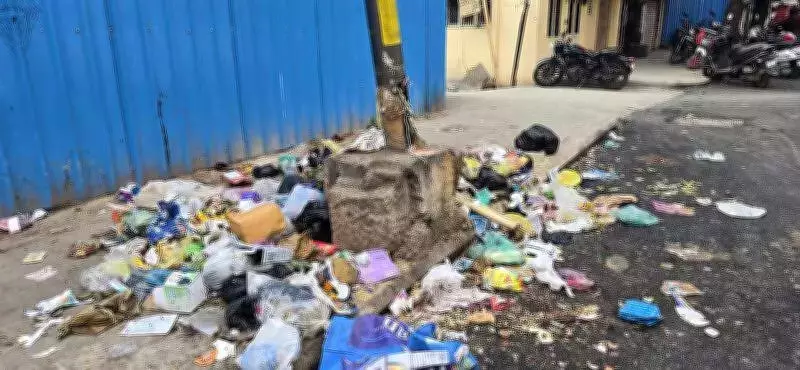
Bengaluru: Are you still carelessly discarding parcel boxes or e-commerce wrappers on the streets? It's time to reconsider your actions. The city's waste management authorities are vigilantly monitoring such behavior through an aggressive enforcement campaign.
According to official data accessed by TOI, Bengaluru Solid Waste Management Ltd (BSWML) conducted an intensified anti-litter enforcement drive between August 2025 and January 2026. This six-month crackdown resulted in a staggering over Rs 3.6 crore collected in penalties and 82,000 violations booked across the city corporation limits.
Surveillance and Ground Enforcement
The comprehensive crackdown was supported by a dual approach of CCTV surveillance and ward marshals deployed on the ground. It targeted multiple offenses including improper waste disposal, violations of plastic ban regulations, and public nuisance activities such as open urination and spitting.

Officials explained that each city corporation has been divided into two sub-divisions, with five surveillance cameras installed in each sub-division to monitor known littering hotspots. Cases are systematically mapped by zone, with action initiated based on footage evidence and complaints received through dedicated helplines.
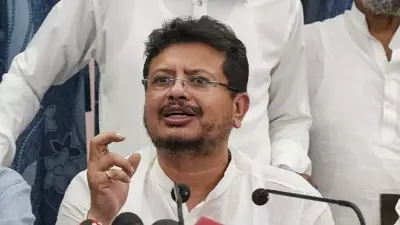
"We launched multiple initiatives to catch litterbugs and book cases based on complaints received through the helpline. Our marshals, along with local staff, were effective in preventing random dumping on the streets," said Karee Gowda, CEO of BSWML.
Authorities have indicated that more cameras are likely to be added to curb persistent blackspots and enhance monitoring capabilities.
Monthly Enforcement Statistics
Data reveals that enforcement activities picked up significantly after August 2025:
- August 2025: 6,168 cases recorded, generating Rs 25.1 lakh in penalties
- September 2025: 21,257 violations (the highest monthly count), with Rs 98 lakh in penalties
- October 2025: 12,625 cases, resulting in Rs 56 lakh in penalties
- November 2025: 14,337 cases, generating Rs 61.8 lakh in penalties
- December 2025: 13,095 cases, with Rs 56.5 lakh in penalties
- January 2026: 15,011 cases, resulting in Rs 66 lakh in penalties
Innovative Enforcement Strategies
Among the more dramatic initiatives was the launch of 'Kasa Suriyuva Habba' (Garbage Dumping Festival) in late 2025. Using video evidence, marshals traced habitual offenders who dumped waste late at night. Instead of merely issuing fines, officials implemented a unique approach: they returned the dumped garbage to the violators' doorsteps under supervision.
During the pilot phase of this initiative, 218 households received their waste "gifted" back in a single day.
"The message is clear — if you throw it on our streets, we will bring it back to your home," a senior official emphasized.
Plastic Violations: The Costliest Offense
While solid waste violations accounted for the highest number of cases, plastic ban breaches resulted in substantially heavier financial penalties. In January 2026 alone, plastic violations brought in Rs 24.7 lakh in fines.
Under revised norms, commercial establishments now face fines up to Rs 50,000 for repeat offenses, while domestic users face a flat Rs 2,000 fine for dumping — a sharp increase from the earlier Rs 500 penalty.
Public Hygiene Enforcement
The enforcement drive also extended to public hygiene violations. Over the six-month period:
- 308 cases of public urination were booked
- 183 cases of spitting were recorded
- These violations resulted in Rs 45,100 in fines
Although these numbers are significantly lower than rubbish and plastic violations, officials stress that penalizing such behavior is crucial for improving overall cleanliness standards and discouraging repeat offenders in busy markets and commercial areas.

Resident Perspectives and Service Gaps
While enforcement through fines appears to be gaining momentum, many residents point to persistent gaps in door-to-door waste collection services. They argue that irregular pick-ups often force citizens to dump garbage on roads out of necessity.
Shivakumar, a resident of Domlur, told TOI that penalties alone will not solve the fundamental issue. "Firstly, the fines are too low for habitual offenders. They should be much higher to create real deterrence. At the same time, BSWML must improve service delivery. Door-to-door collection is irregular in many areas, and vehicles do not arrive at fixed times. While fines are fine, the service should also improve," he stated.
The enforcement drive represents a significant step toward cleaner urban spaces, but it highlights the ongoing challenge of balancing punitive measures with improved municipal services to achieve sustainable waste management solutions.