

The Hidden Costs of Copy-Paste Urban Planning in Bengaluru
In the bustling heart of India's tech capital, a critical issue is emerging that threatens to undermine the city's future growth and livability. Bengaluru, a rapidly expanding metropolis, is increasingly relying on recycled reports and outdated strategies to steer its urban development. This approach, often described as "copy-paste planning," is proving to be a costly mistake with far-reaching implications.
The Problem with Recycled Strategies
Urban planning in Bengaluru has often involved repurposing old reports and strategies without adequate adaptation to the city's unique and evolving needs. This practice fails to account for the dynamic changes in population density, traffic patterns, environmental concerns, and technological advancements. As a result, the city is implementing solutions that are misaligned with its current realities, leading to inefficiencies and wasted resources.
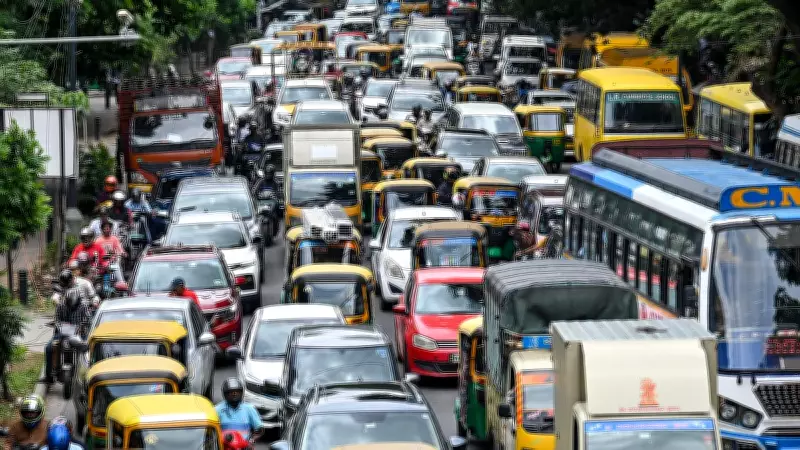
The consequences are severe: infrastructure projects are delayed, public services are strained, and the quality of life for residents is deteriorating. For instance, traffic congestion remains a persistent issue because planning documents have not adequately addressed the exponential growth in vehicle ownership and commuting patterns.

Why Bengaluru Deserves Better
Bengaluru is not just any city; it is a global hub for technology and innovation, attracting talent and investment from around the world. Its population is growing at an unprecedented rate, with estimates suggesting it could become one of the largest urban centers in India within the next decade. This rapid evolution demands forward-thinking, customized planning that can anticipate future challenges and opportunities.
Recycled reports simply cannot keep pace with this level of change. They often lack the granular data and localized insights necessary to develop effective strategies. Instead, they promote a one-size-fits-all approach that ignores Bengaluru's specific socio-economic and geographic context.
The Broader Implications
The reliance on copy-paste planning extends beyond immediate logistical issues. It affects:
- Economic Growth: Inefficient infrastructure can deter businesses and investors, slowing down economic development.
- Environmental Sustainability: Outdated plans may not incorporate modern green technologies or climate resilience measures.
- Social Equity: Poor planning often disproportionately impacts marginalized communities, exacerbating inequalities.
Moreover, this approach undermines public trust in governance, as citizens witness repeated failures in urban management without seeing innovative solutions.
A Call for Action
To address these challenges, Bengaluru needs a paradigm shift in its urban planning processes. This includes:
- Investing in real-time data collection and analysis to inform decision-making.
- Engaging with local communities and experts to co-create tailored strategies.
- Adopting flexible, adaptive planning frameworks that can evolve with the city.
- Ensuring transparency and accountability in the implementation of development projects.
By moving away from copy-paste methods, Bengaluru can harness its potential as a model for sustainable and inclusive urban growth. The costs of inaction are too high, and the time for change is now.






