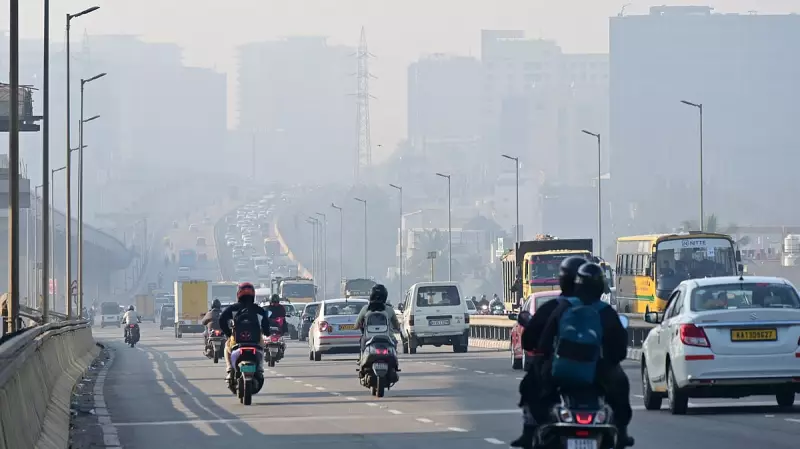
Bengaluru's much-anticipated solution to its notorious traffic and mobility woes, the Unified Metropolitan Transport Authority (UMTA), risks being rendered ineffective from its very inception. The watchdog body, designed to be a unified planner for the city's transport ecosystem, may have its wings clipped as the state government has reportedly kept pre-approved plans and decisions outside its purview.
A Watchdog Without Teeth
The core mandate of the UMTA was to bring coherence to Bengaluru's fragmented transport planning, which involves multiple agencies like the BMTC, BMRCL, and the city's civic body. However, in a move that has raised eyebrows among urban planners and citizens alike, the Karnataka government has decided that plans and decisions already sanctioned will not fall under the new authority's scrutiny. This essentially means the body could be sidelined on major, ongoing projects, limiting its role to future proposals and minor coordination.
This structural limitation strikes at the heart of the UMTA's promise. The authority was officially conceptualized to be operational by early 2026, as per recent government timelines. The news of its constrained powers first came to light in reports dated 05 January 2026. By exempting approved projects, the state has potentially created a parallel system of decision-making that the UMTA cannot touch.
Implications for Bengaluru's Commuters
The immediate consequence is a likely continuation of the siloed approach that has long plagued the city's infrastructure development. For the average commuter, this could translate to:
- Lack of integrated ticketing and seamless transfers between different modes of transport.
- Poor last-mile connectivity as projects remain in their individual agency bubbles.
- Delayed or uncoordinated implementation of new corridors and services.
Experts argue that for a unified transport planner to be truly effective, it must have oversight over all major projects, regardless of their approval stage, to ensure they align with a holistic vision for the city's mobility.
The Road Ahead: Ceremonial or Transformative?
The creation of the UMTA was seen as a progressive step towards tackling Bengaluru's existential traffic crisis. However, the decision to limit its power raises critical questions about the government's commitment to genuine reform. Is the authority being set up to fail, destined to be a mere talking shop rather than a powerful executor of change?
The success of such a body hinges on its authority to audit, direct, and synchronize the work of all transport-related departments. Without this, the UMTA risks becoming a ceremonial addition to Bengaluru's bureaucratic landscape, unable to deliver the integrated transport system the city desperately needs. All eyes will now be on its first meetings and directives to see if it can carve out a meaningful role despite its apparent constraints.