

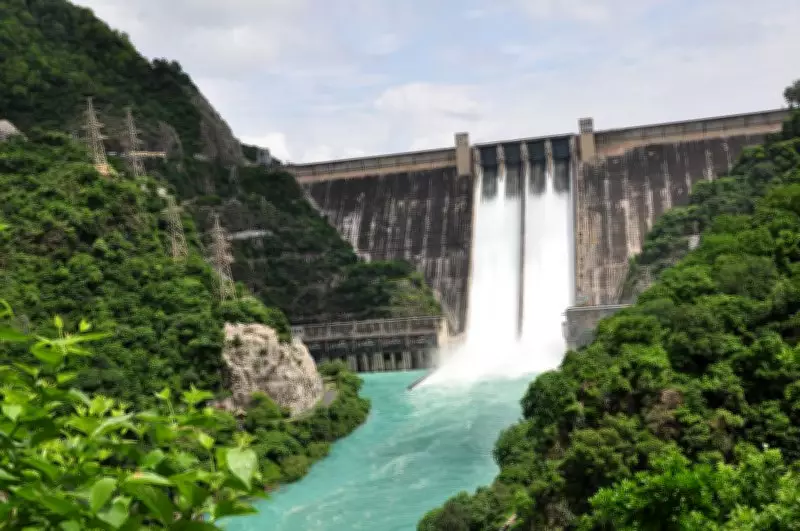
The inflow into the Bhakra Dam has dropped to half of its normal level during the peak summer season, causing concern among authorities and farmers. As of June 13, 2026, the water inflow was recorded at a significantly lower rate compared to the average for this time of year.
Experts Attribute Shortfall to Low Snowfall and Delayed Melting
Experts attribute this sharp decline to two primary factors: low snowfall in the Himalayan catchment areas during the winter season and a delay in the melting of snow. The reduced snowpack has led to less water being released into the Sutlej river system, which feeds the Bhakra reservoir.
Impact on Agriculture and Water Supply
The reduced inflow poses a challenge for the management of water resources, especially during the paddy sowing season when demand for irrigation water is at its peak. Farmers in Punjab, Haryana, and Rajasthan, who rely on Bhakra water for their crops, may face shortages if the situation does not improve.

The Bhakra Beas Management Board (BBMB) is closely monitoring the situation and has urged all stakeholders to use water judiciously. The board may need to revise the water release schedule to ensure equitable distribution among the states.
Role of Western Disturbances
Weather experts note that the number and intensity of western disturbances, which bring winter snowfall to the Himalayas, were below average this year. This has directly impacted the snow accumulation in the catchment areas. Additionally, higher temperatures in the region have caused some snow to evaporate or sublimate rather than melt and flow into rivers.
Long-Term Concerns
This event highlights the vulnerability of water resources in northern India to climate variability. With climate change expected to alter snowfall patterns and glacier melt, water management authorities may need to develop adaptive strategies to ensure water security in the future.
Residents and farmers in the region are advised to stay informed about water releases and plan their activities accordingly. The BBMB will continue to provide updates on inflow levels and any changes in water allocation.






