

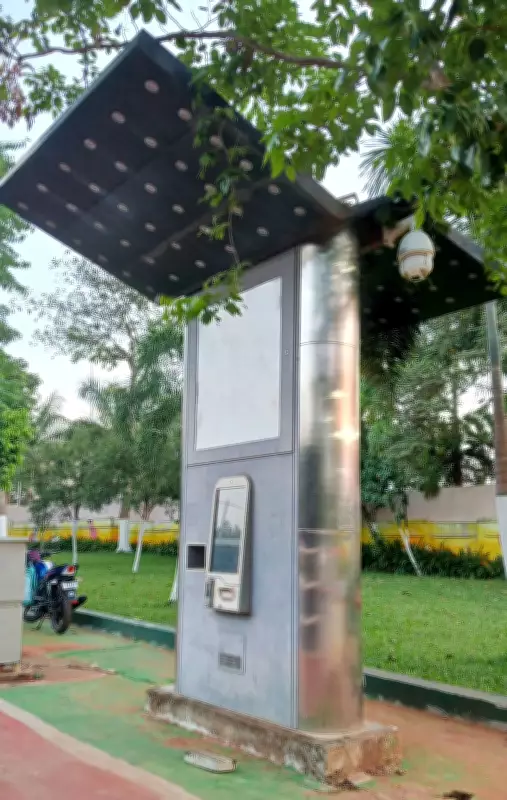
Bhubaneswar Smart City to Revive 75 Defunct Digital Kiosks After Public Outcry
The Bhubaneswar Smart City Limited (BSCL), in close coordination with the Bhubaneswar Municipal Corporation (BMC), has announced a comprehensive overhaul plan for the smart digital kiosks installed under the Smart City project. This initiative comes after widespread criticism from residents and urban planning experts regarding the non-functional state of these public infrastructure assets.
Citizen Complaints Prompt Action
Officials revealed that the decision to revive the kiosks was triggered by concerned citizens highlighting the issue through TOI's Citizen Reporter portal. The public outcry prompted authorities to conduct a thorough review of the stalled infrastructure that was meant to enhance civic convenience.
Citizen reporter Ishan Singh emphasized on the portal that most of Bhubaneswar's smart digital kiosks have been lying defunct for years. "They were designed to provide visitors with essential city information, internet browsing capabilities, bus and train ticket booking services, and emergency assistance through helpline numbers and location guidance," Singh explained. "Almost all kiosks remain non-functional despite their potential to help people in distress."

Technical Challenges Identified
BSCL general manager Purandar Nanda acknowledged the current operational failures, attributing them to multiple factors. "The kiosks are currently non-operational due to hardware faults, software issues, and lack of regular maintenance," Nanda stated. "We have decided to take up comprehensive restoration to address these challenges systematically."
According to BSCL officials, the restoration work will encompass several critical components:
- Extensive hardware repairs and replacements
- Software upgrades and system optimization
- Implementation of better upkeep mechanisms
- Reassessment of kiosk locations for improved visibility and usage
Broader Implications for Smart City Initiatives
Citizen reporter Suchismita Ojha highlighted the broader significance of these kiosks, noting they were envisioned as vital touchpoints for civic convenience and public safety. "Their prolonged non-functionality not only represents wasted public funds but also undermines citizens' trust in smart city initiatives," Ojha emphasized. "Proper maintenance and functionality are crucial for maintaining public confidence in urban development projects."
Enhanced Features and Integration Planned
BMC officials detailed their plans for the revived kiosks, which will include integration with updated civic data systems, real-time transport schedules, and enhanced emergency response mechanisms. "Our objective is to make these kiosks genuinely useful for tourists, commuters, and local citizens," a civic body official explained. "Once properly restored, they can play an important role in improving public access to essential information and services."
The original installation included 75 ultra-modern digital kiosks strategically placed across Bhubaneswar to provide:
- Real-time city information for visitors
- Assistance with booking bus and train tickets
- Emergency support including helpline numbers
- Location guidance and navigation assistance
Public Response and Accountability Concerns
Local residents have welcomed the restoration announcement but emphasized the need for ongoing accountability. Trinath Barik, a resident of Saheed Nagar, expressed cautious optimism: "These kiosks were originally showcased as symbols of a smart city. Reviving them is certainly a welcome step, but regular monitoring and maintenance are essential to ensure public money is not wasted again."
The restoration initiative represents a significant effort by Bhubaneswar authorities to address infrastructure gaps and restore public confidence in smart city projects. By combining technical upgrades with improved maintenance protocols and strategic location reassessment, officials aim to create sustainable public service infrastructure that genuinely serves the community's needs.






