

Bhubaneswar Launches Innovative Waste-to-CNG Project to Tackle Market Waste
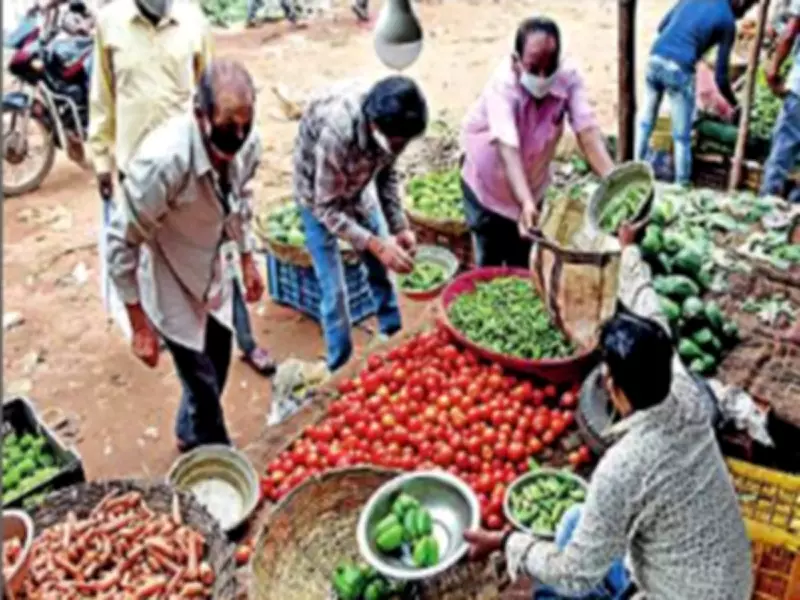
In a groundbreaking move toward sustainable urban management, Bhubaneswar is set to transform vegetable waste from its bustling markets into high-quality compressed natural gas (CNG) suitable for automobiles. This initiative promises to alleviate the significant strain on the Bhubaneswar Municipal Corporation's waste handling infrastructure while combating the pervasive foul odors associated with decomposing organic refuse.
Scientific Processing of Biodegradable Waste
Under this newly launched waste handling project, remnants such as cabbage, cauliflower, and other biodegradable vegetable discards generated across city markets, local haats, and by bulk waste producers will be systematically collected and channeled for advanced scientific processing. Official sources indicate that approximately 50 tonnes of vegetable waste per day will be made available for conversion into CNG, with allowances for seasonal variations in waste volume.
The BMC formalized this endeavor by signing a Memorandum of Understanding with a private entity on Monday. This partner will undertake the establishment and operation of a dedicated waste-to-CNG plant with a capacity to process 50 tonnes daily, marking a significant step in the city's waste management evolution.

Reducing Burden and Environmental Impact
Kailash Chandra Dash, Additional Commissioner of the BMC, emphasized that this initiative will substantially reduce the load on the temporary transit station by diverting biodegradable vegetable waste for scientific treatment. "Market waste is highly prone to foul odour, and timely lifting and processing would help reduce odour issues, especially during winter and monsoon, improving environmental conditions," Dash stated.
He further highlighted that the project will diminish transportation demands and associated operational challenges and costs for the civic body. By promoting scientific waste management, it reduces reliance on landfill disposal and champions a circular economy by transforming waste into clean, usable energy.
Addressing Urban Waste Management Challenges
A BMC officer overseeing sanitation noted that this initiative is expected to relieve the corporation from managing large volumes of such waste at its micro-composting centers. Vegetable waste, particularly leafy discards even a day old, emits a strong foul odor and poses considerable difficulties in urban waste facilities, making this project a critical solution.
Operational Framework and Compliance
As part of the waste supply mechanism, the BMC will facilitate the collection and supply of segregated vegetable waste from the source to ensure the material remains suitable for processing. "We will transport the waste to designated lifting points, from where the selected agency will lift, transport and process it further at its own cost and risk," Dash added.
The designated lifting points identified for this project include:
- Unit-I Market
- Unit-IV Market
- Damana Market
- The Temporary Transit Station near Sainik School
Under the operational framework, the agency has been instructed to lift the waste within 24 hours to prevent accumulation and public nuisance. BMC officials have mandated strict environmental compliance, requiring that there be no spillage or pollution during handling and transportation, ensuring the project aligns with broader ecological goals.
This innovative approach not only addresses immediate waste management issues but also sets a precedent for other cities grappling with similar challenges, showcasing Bhubaneswar's commitment to environmental stewardship and sustainable development.






