

Bihar Chief Secretary Demands Mission Mode Acceleration of PNG Pipeline Work
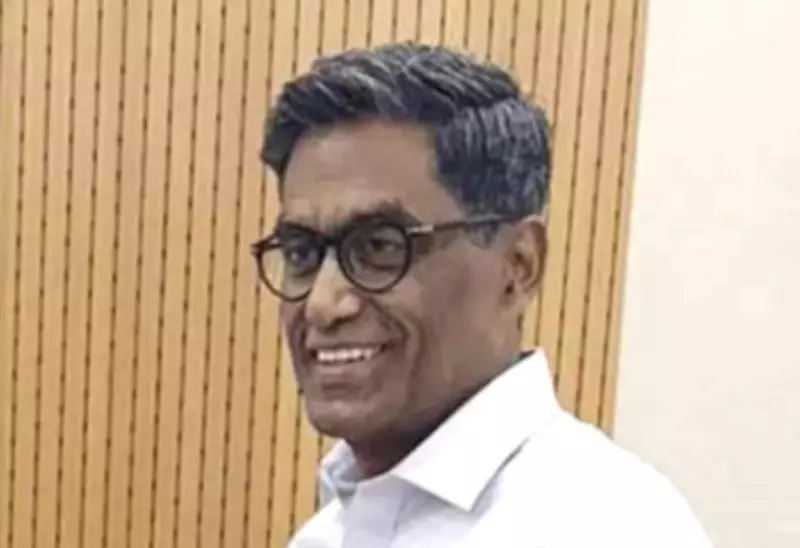
Chief Secretary Pratyaya Amrit on Monday issued a stern directive to oil companies, ordering them to expedite the PNG pipeline work across Bihar in mission mode. Expressing strong displeasure over the sluggish pace of progress, he warned of strict action if the established targets are not met promptly.
High-Level Meeting Reviews Energy Infrastructure
The direction was issued during a high-level meeting of the Crisis Management Committee (CMG), which was convened under his chairmanship to conduct a comprehensive review of the state's energy supply system and infrastructure development. The food and consumer protection department, serving as the nodal department for the CMG, presented a detailed status report on all ongoing works and supply arrangements.
The meeting witnessed participation from senior officials including the development commissioner, additional chief secretary (home), director general of police, and principal secretary or secretary-level officers from multiple departments. These departments encompassed agriculture, health, urban development and housing, food and consumer protection, cooperatives, labour resources, energy, transport, and disaster management. Representatives from major oil companies were also in attendance.

PNG Connection Targets Lagging in Most Districts
A thorough review of domestic PNG connections being provided by IOCL, BPCL, HPCL, GAIL, and THINK GAS across Bihar revealed concerning gaps. While districts like Patna and Muzaffarpur showed relatively better performance, the number of actual connections in most other districts remained significantly below the set targets.
Officials informed the meeting that technical hurdles, including delays in land allotment and pending approvals from the Petroleum and Explosives Safety Organisation (PESO), were major factors impeding progress. In response, the chief secretary directed the nodal department to implement continuous monitoring of oil companies' performance and submit a detailed progress report every Monday.
He further instructed all divisional commissioners and in-charge secretaries to conduct regular visits to their allotted districts. During these visits, they are to physically verify the availability of contractors and manpower deployed for the pipeline work, ensuring ground-level accountability.
LPG Cylinder Backlog and Security Measures
The food and consumer protection department also presented the status of the LPG cylinder backlog, which was reported to be significant in several districts including Arwal, Gaya, Kaimur, Rohtas, Saran, and West Champaran. District control rooms are actively resolving complaints daily, with approximately 800 complaints received over the last five days.
A press release indicated that district magistrates across Bihar have conducted 22,878 intensive inspections to date. These inspections have led to the seizure of several cylinders and the registration of FIRs in multiple cases, demonstrating enforcement efforts.
Oil company representatives updated the meeting on security protocols, noting that around 90% of cylinder deliveries are now being made exclusively through OTPs received on registered mobile numbers. The option of using an alternative mobile number has largely been discontinued for enhanced security reasons. Additionally, it was reported that currently, 70% of the weekly requirement for hotels and industries is being met.
Support for Workers and Training Initiatives
The labour resources department informed officials that it has established a state-level control room with telephone number 0612-2520053 and WhatsApp number 7368855002. This initiative aims to provide assistance to Bihar workers who are stranded in the Middle East and other states. Nodal officers have been appointed specifically for this purpose.
To further accelerate PNG-related works, special training programs are being conducted for PHED plumbers and ITI students in key districts such as Patna, Lakhisarai, and Munger. These efforts are designed to build local capacity and ensure skilled manpower is available for the infrastructure push.






