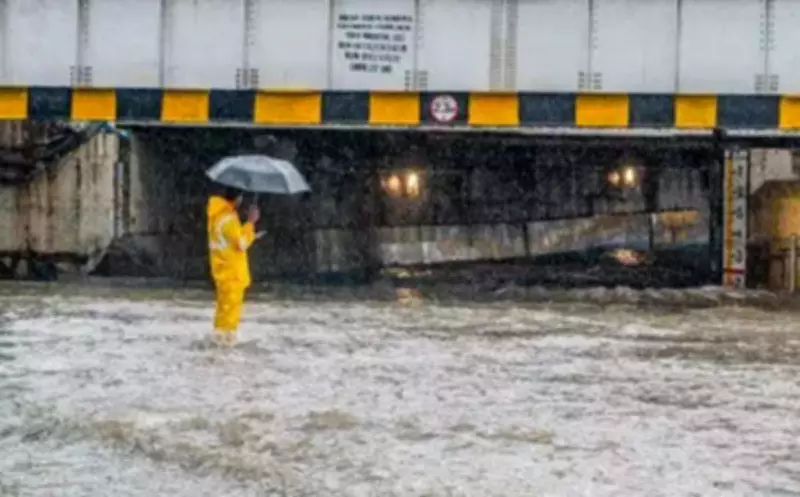
BMC Initiates Feasibility Study for Andheri Subway Flyover to Combat Monsoon Flooding
In a significant move to tackle the persistent issue of monsoon flooding at Andheri subway, the Brihanmumbai Municipal Corporation (BMC) has appointed a consultant to carry out a comprehensive feasibility study for constructing a flyover above the critical infrastructure. The consultant has been directed to submit the detailed report within a strict timeframe of three months, signaling the urgency of finding a permanent solution to this annual civic headache.
The Root Cause of Andheri Subway Flooding
The chronic waterlogging at Andheri subway is primarily attributed to the Mogra nullah, which runs in close proximity to the structure. This nullah has an extensive catchment area stretching nearly 2.5 kilometers from its source to the subway. A steep gradient of approximately 13 meters along this stretch causes rainwater to flow with remarkable velocity during intense monsoon showers.
Compounding the problem, during high tide events, the water level in the nullah rises significantly, leading to severe flooding of the subway and adjacent residential and commercial zones such as Azad Nagar. These flooding episodes frequently force authorities to shut down the subway entirely, resulting in massive traffic disruptions that ripple across Mumbai's western suburbs.

Flyover Proposal as a Permanent Solution
As a potential permanent remedy, the BMC has prepared a detailed proposal to construct a flyover directly over the problematic subway. The newly commissioned feasibility study will thoroughly assess multiple critical aspects of this ambitious project.
The consultant will evaluate whether the flyover construction is technically feasible, determine its likely length and design specifications, identify potential technical challenges, calculate estimated costs, project anticipated benefits for traffic flow, and examine issues related to obtaining necessary statutory approvals. This last point is particularly crucial as the project would require permissions from railway authorities, given the subway's location beneath railway tracks.
If the feasibility study concludes that the flyover is a viable solution, the BMC plans to shelve other proposed measures to address waterlogging at the subway. This represents a strategic shift in the civic body's approach to this longstanding problem.
Previous Flood Mitigation Efforts
Earlier, the BMC had developed an alternative Rs 209-crore plan focused on installing a new stormwater drain system designed to divert excess rainwater from the Mogra nullah away from the subway area. However, this proposal was ultimately put on hold due to persistent concerns that the subway might still experience inundation even after the completion of such drainage work.
The decision to pause this earlier initiative reflects the BMC's recognition that partial measures may not adequately address the complex hydrological and infrastructural challenges presented by the Andheri subway's unique location and flooding dynamics.
Strategic Importance of Andheri Subway
Andheri Subway serves as a vital east-west connector in Mumbai's western suburbs, playing a crucial role in the city's transportation network. Strategically located near Gokhale Bridge and in close proximity to Andheri railway station, the subway facilitates movement beneath the railway tracks that bisect the area.
The annual monsoon flooding at this key transit point has citywide implications for traffic movement, affecting not only local commuters but also creating bottlenecks that disrupt transportation across broader sections of Mumbai. The subway's frequent closures during heavy rains create cascading effects on traffic patterns, impacting economic activity and daily life for millions of Mumbaikars.
The BMC's decision to pursue a flyover solution through a formal feasibility study represents a proactive approach to infrastructure planning that acknowledges both the immediate flooding concerns and the long-term transportation needs of India's financial capital. The three-month timeline for the consultant's report indicates the civic body's commitment to moving swiftly toward implementation if the flyover proves technically and financially viable.