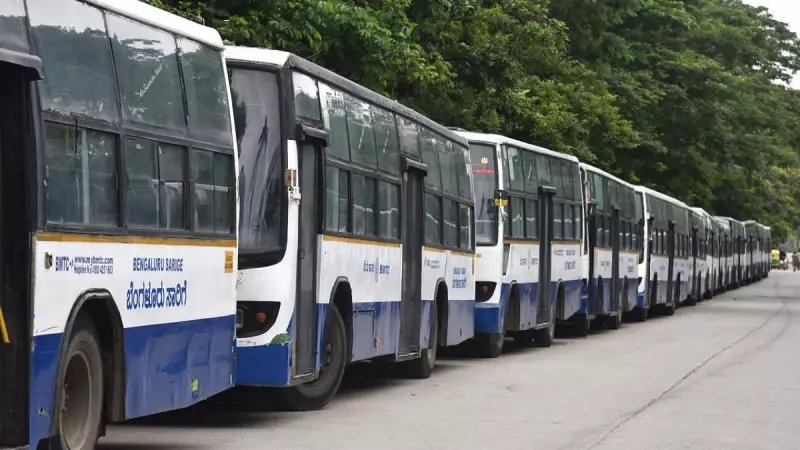
The Bengaluru Metropolitan Transport Corporation (BMTC) is set to significantly boost the city's public transport network with the launch of a dedicated fleet of metro feeder buses. Aimed at solving the perennial last-mile connectivity problem, this new service will commence operations on Monday, March 25, 2024.
Expanding the Network with 50 New Buses
In its initial phase, the corporation will deploy 50 new electric and diesel buses specifically for this feeder service. These buses will operate on 25 distinct routes, strategically designed to connect various residential and commercial hubs with key metro stations across Bengaluru. The move is a direct response to long-standing demands from daily commuters who rely on the Namma Metro but face difficulties in reaching their final destination from the stations.
BMTC officials have emphasized that this initiative is part of a broader strategy to create a seamless, integrated multi-modal transport system for the city. By providing reliable and frequent shuttle services to and from metro stations, the BMTC aims to encourage more people to use public transport, thereby reducing traffic congestion and pollution.

Focus on Key Metro Stations and Routes
The new feeder services will focus on major metro stations that see high footfall but currently lack adequate bus connectivity. While the complete list of 25 routes is being finalized, the network is expected to cover areas surrounding stations on both the Purple and Green Lines of the Bengaluru Metro. The service will operate with a high frequency, especially during peak morning and evening hours, to align with metro train schedules and commuter demand.
This launch follows successful trials and feedback from pilot projects run earlier. The BMTC has worked on optimizing routes based on commuter patterns and requests from resident welfare associations. The introduction of these buses is seen as a critical step in enhancing the overall efficacy and attractiveness of Bengaluru's public transport ecosystem.
Benefits and Expected Impact on Commuters
The primary benefit of this new feeder service is the promise of reliable last-mile connectivity. For thousands of daily metro users, the first and last leg of their journey is often the most cumbersome, relying on auto-rickshaws, ride-sharing apps, or walking long distances. The dedicated feeder buses will provide a cost-effective, safe, and scheduled alternative.
This initiative is expected to:
- Reduce travel time and cost for commuters.
- Increase ridership on both the metro and BMTC services.
- Decrease dependency on private vehicles and app-based cabs for short distances.
- Contribute to lower carbon emissions with the inclusion of electric buses in the fleet.
The BMTC has assured that fares for the feeder service will be competitive and integrated with the existing fare structure to ensure affordability. With the launch on March 25, Bengaluru takes a concrete step towards a more connected and commuter-friendly urban transport future.