

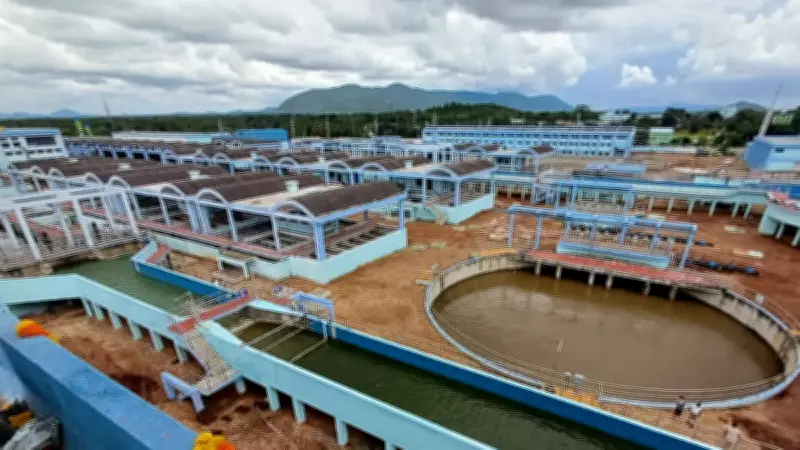
BWSSB's Water Woes: Stage V Connections Trickle as Stage VI Flood Plan Advances
The Bangalore Water Supply and Sewerage Board (BWSSB) is navigating a paradoxical situation in its efforts to bolster Bengaluru's water supply. While the board is actively planning to introduce an additional 500 million liters per day (MLD) of Cauvery water to the city through the ambitious Cauvery Stage VI project, it continues to grapple with significant hurdles in fully utilizing the infrastructure from the previous phase.
The Lingering Challenge of Cauvery Stage V
Cauvery Stage V, a critical water supply project that was completed approximately 18 months ago, remains underutilized due to persistent issues in securing widespread water connections. Despite the infrastructure being operational, the BWSSB is struggling to encourage and facilitate residents and businesses to adopt these new connections. This lag in uptake means that the full potential of the Stage V project, designed to enhance water distribution across Bengaluru, is not being realized, leading to inefficiencies in the city's water management system.
Stage VI: A Flood of Plans Amidst a Trickle of Progress
In contrast to the slow progress with Stage V, the BWSSB is forging ahead with Cauvery Stage VI, which aims to bring an extra 500 MLD of Cauvery water to Bengaluru. This initiative is part of a broader strategy to address the city's growing water demands, driven by rapid urbanization and population expansion. However, the juxtaposition of planning for future capacity while current infrastructure lies partially idle raises questions about resource allocation and implementation effectiveness.

Key factors contributing to the connection delays under Stage V include:
- Administrative bottlenecks in processing applications for new water connections.
- Public awareness gaps regarding the availability and benefits of switching to the Cauvery supply.
- Technical challenges in integrating existing water systems with the new infrastructure.
- Financial constraints for some users in covering connection fees and related costs.
Implications for Bengaluru's Water Security
The situation underscores a critical need for the BWSSB to balance forward-looking projects with on-ground execution. Without robust uptake of Stage V connections, the benefits of Stage VI could be diluted, as the city might not fully leverage the increased water supply. Experts suggest that improving outreach programs, streamlining bureaucratic processes, and offering incentives could help accelerate connection rates, ensuring that Bengaluru's water infrastructure keeps pace with its development goals.
As of March 2026, the BWSSB's dual focus on expanding capacity while addressing existing gaps highlights the complex dynamics of urban water management in one of India's fastest-growing metros.






