

Haryana Government Outlines Two-Phase Census 2027 with Focus on Digital Connectivity
The Haryana government has officially released a comprehensive notification detailing the scope and methodology for the upcoming Census of India 2027, specifically for the state. This significant demographic exercise will be conducted in two distinct phases, marking a structured approach to data collection that reflects modern societal trends.
Phased Implementation and Digital Infrastructure
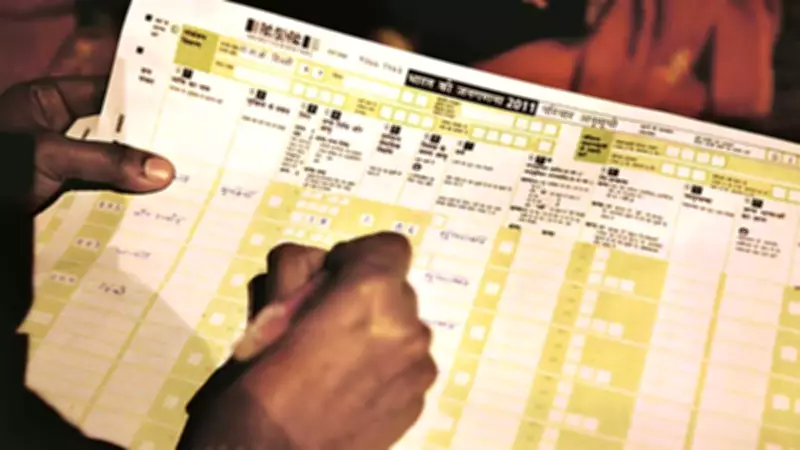
As per the notification issued by Dr. Sumita Misra, the Financial Commissioner and State Nodal Officer for Census 2027, the census will unfold in two phases. The first phase, known as the Houselisting and Housing Census, will lay the groundwork for the second phase, which is the Population Enumeration. To facilitate this process, the government has developed advanced digital tools, including Mobile Apps, a Census Management and Monitoring Portal, and a Self Enumeration Portal, ensuring efficient and accurate data gathering.
All Census Officers appointed under the Census Act of 1948 are empowered to collect detailed information within their local jurisdictions during the houselisting phase. This phase is critical as it will serve as the foundation for the subsequent population count, providing essential baseline data for planning and policy-making.

Comprehensive Data Collection on Housing and Amenities
The houselisting phase will involve the collection of extensive information on housing structures and basic amenities. Key data points include:
- Identification details such as building numbers, census house numbers, and household numbers.
- Construction materials used for floors, walls, and roofs of census houses.
- Principal use of the house, its physical condition, and ownership status.
- Number of dwelling rooms exclusively possessed by each household.
Additionally, the census will gather data on household composition, including the total number of residents, name and sex of the head of household, caste or tribe categories, and the number of married couples. This holistic approach ensures a detailed understanding of living arrangements across the state.
Focus on Basic Amenities and Living Conditions
The notification emphasizes the collection of information on basic amenities to assess living standards. This includes:
- Main source and availability of drinking water.
- Source of lighting and access to sanitation facilities, including latrine types.
- Arrangements for waste water disposal and availability of bathing and kitchen facilities.
- Details on LPG or PNG connections and the main fuel used for cooking.
By capturing these details, the census aims to provide insights into the quality of life and infrastructure gaps in Haryana, aiding in targeted developmental initiatives.
Tracking Digital Assets and Connectivity in Modern Lifestyles
Recognizing the rapid evolution of lifestyles and the increasing penetration of digital technologies, the notification mandates the collection of data on household assets and connectivity. This forward-looking approach includes information on ownership or access to:
- Radio or transistor, television, and internet facilities.
- Laptop or computer, and telephone, mobile phone, or smartphone.
Furthermore, details on means of transport such as bicycles, scooters, motorcycles, mopeds, cars, jeeps, or vans will be recorded. The census will also note the main cereal consumed by households, offering a glimpse into dietary patterns.
This comprehensive data collection effort underscores Haryana's commitment to leveraging census insights for informed governance and policy formulation, aligning with national goals for digital India and improved living standards.






