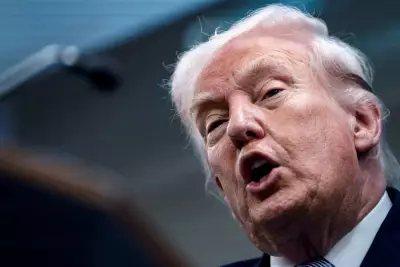
The Global Pattern of Centralized Power Over Cities
In an alarming trend that spans continents, centralized governments are increasingly asserting control over urban spaces, silencing the unique voices of major cities. This phenomenon, observed simultaneously in Washington, Istanbul, and New Delhi, reveals a disturbing pattern of state overreach disguised as modernization.
Three Leaders, One Playbook
The actions of Donald Trump in the United States, Recep Tayyip Erdogan in Turkey, and Narendra Modi in India demonstrate remarkably similar approaches to urban governance. Despite their different political systems and cultural contexts, these leaders have employed comparable strategies to centralize power and diminish local autonomy.
According to analysis by Tikender Singh Panwar, published on 10 November 2025, the same script unfolds across these nations. Central governments are wrapping power grabs in the rhetoric of development and modernization, while effectively capturing urban institutions and spaces that traditionally enjoyed some degree of independence.

Consequences for Democratic Governance
This trend has significant implications for democratic governance and local representation. Cities, as engines of economic growth and cultural innovation, require the flexibility to address their unique challenges. When central governments impose uniform policies without regard for local contexts, the results often undermine effective governance.
The pattern identified in this analysis suggests that the struggle between central authority and urban autonomy is becoming a defining feature of contemporary politics. As cities continue to grow in importance globally, this tension between local voices and centralized power will likely intensify in the coming years.