

Chandigarh Municipal Corporation Introduces Community Service Option for Waste Violators
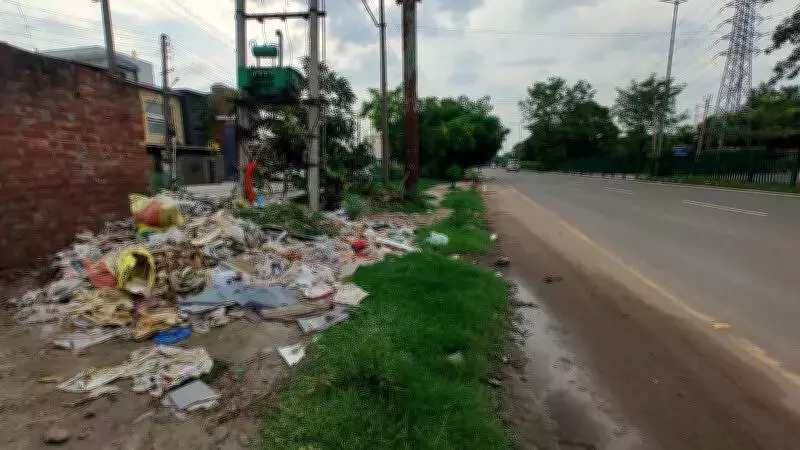
In a progressive initiative aimed at promoting civic responsibility and enhancing compliance with waste management regulations, the Chandigarh Municipal Corporation has implemented a new provision that allows individuals who violate the Solid Waste Management (SWM) Bylaws of 2018 to perform community sanitation service as an alternative to paying substantial monetary fines. This innovative approach seeks to transform penalties into opportunities for meaningful public participation while simultaneously reinforcing the critical importance of cleanliness throughout the city.
How the Community Service System Operates
Under this newly established system, offenders who can demonstrate genuine financial hardships or personal constraints may apply for relaxation or compounding of their challans by engaging in supervised sanitation work. Applicants are required to submit a formal written undertaking and then carry out assigned tasks—which may include waste lifting, street sweeping, or general cleaning activities—under the direct supervision of the Medical Officer of Health (MOH) wing. The specific duration and nature of the work are determined by area health supervisors or sanitary inspectors based on actual field requirements and local sanitation needs.
Initial Implementation and Case Examples
The Municipal Corporation has already processed its inaugural set of cases under this new initiative. One violator from Sector 25, who had been fined ₹13,401 in December of last year, successfully completed sanitation work within his own locality. Similarly, two residents—one from Sector 25 and another from Sector 8, both facing challans of ₹14,071—opted for community service instead of monetary payment. One individual was assigned duties at the Slaughter House in Phase-1 of the Industrial Area, while the other performed cleaning work in Sector 8. Their activities were thoroughly documented with photographs and detailed reports before being submitted to the competent authority for final approval and case closure.

Official Statements and Enforcement Philosophy
Municipal Commissioner Amit Kumar emphasized that this initiative is not designed to provide an easy escape from penalties. He clarified that verified completion reports must be formally submitted to the MOH office, and only after a satisfactory assessment of both the sincerity and quality of the work performed will any compounding request be considered for approval. Commissioner Kumar stated that the move aims to instill responsible civic behavior while ensuring strict enforcement of waste management laws. The Municipal Corporation remains fully committed to implementing both the Municipal Solid Waste Management Rules and the SWM Bye-laws of 2018, he noted, warning that littering, illegal dumping, and related violations will continue to attract stringent action when necessary.
"The fundamental idea is not merely to impose fines but to genuinely sensitize citizens," Commissioner Kumar explained. "When violators actively participate in sanitation work themselves, they develop a firsthand understanding of the considerable effort required to maintain urban cleanliness and consequently become more responsible community members."
Broader Objectives and Future Implications
The commissioner reiterated that the Municipal Corporation maintains a zero-tolerance approach toward littering and illegal dumping activities. By strategically integrating community service with traditional enforcement mechanisms, the civic body hopes to achieve multiple objectives: reducing the number of unpaid challans, boosting sanitation manpower under the Swachh Bharat Mission framework, and ultimately ensuring a cleaner, healthier urban environment for all Chandigarh residents. This innovative policy represents a significant shift toward more participatory urban governance while maintaining rigorous standards for municipal cleanliness and public health protection.






