

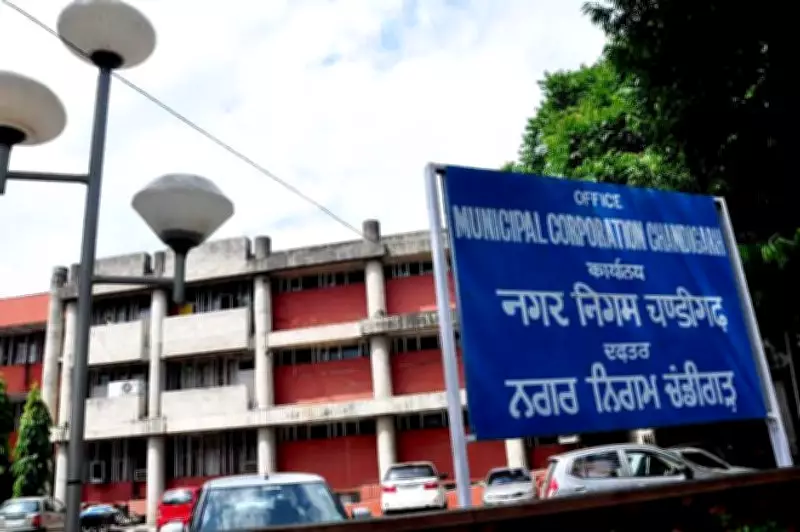
Chandigarh Municipal Corporation Launches Groundbreaking Cleanliness Initiative
In a pioneering move to enhance urban hygiene and foster civic engagement, the Chandigarh Municipal Corporation (MC) has rolled out an innovative policy that allows residents to settle cleanliness-related fines through community service rather than monetary payments. This initiative, announced recently, marks a significant shift from traditional penalty systems, aiming to address littering and sanitation issues more effectively while promoting a sense of collective responsibility among citizens.
Details of the New Policy
The new framework permits individuals who violate cleanliness norms, such as littering in public spaces or improper waste disposal, to opt for community service as an alternative to paying cash fines. Under this scheme, offenders can engage in activities like sweeping streets, cleaning parks, or participating in awareness campaigns for a specified duration, which will be determined based on the severity of the violation. This approach is designed not only to penalize but also to educate residents about the importance of maintaining a clean environment, thereby encouraging long-term behavioral change.
Objectives and Expected Impact
The primary goal of this initiative is to reduce the incidence of littering and improve overall sanitation in Chandigarh, a city known for its planned layout and green spaces. By replacing cash fines with community service, the MC aims to make the penalty process more meaningful and less burdensome for offenders, particularly those from economically disadvantaged backgrounds. Officials believe that this hands-on involvement will instill a deeper appreciation for cleanliness, leading to a cleaner city and reduced municipal costs associated with waste management. Additionally, it is expected to strengthen community bonds as residents work together towards a common goal of environmental stewardship.

Implementation and Monitoring
To ensure the effective execution of this policy, the Chandigarh MC has established clear guidelines and monitoring mechanisms. Offenders will be assigned community service tasks under the supervision of municipal staff, who will track participation and compliance. The duration of service will vary, with minor infractions requiring shorter periods and more serious violations necessitating extended involvement. The MC plans to collaborate with local NGOs and resident welfare associations to expand the scope of community service activities and enhance outreach efforts, ensuring widespread awareness and adherence to the new rules.
Broader Implications and Future Prospects
This innovative move by the Chandigarh MC sets a precedent for other cities in India grappling with similar cleanliness challenges. By emphasizing rehabilitation over mere punishment, it aligns with global best practices in urban governance and environmental conservation. If successful, the policy could be scaled up to include other civic violations, further promoting a culture of accountability and community participation. Residents have welcomed the initiative, viewing it as a progressive step towards building a more sustainable and responsible urban society, where everyone contributes to maintaining the city's pristine image.






