

Chandigarh Municipal Corporation Implements Strict Anti-Littering Measures
In a bold move to combat public littering, the Chandigarh Municipal Corporation (MC) has rolled out a stringent new policy that presents litterbugs with a tough choice. Offenders caught discarding waste in public spaces now face two options: pay a substantial fine or undertake street cleaning duties themselves. This initiative aims to foster civic responsibility and enhance the city's cleanliness through direct accountability.
Details of the New Policy
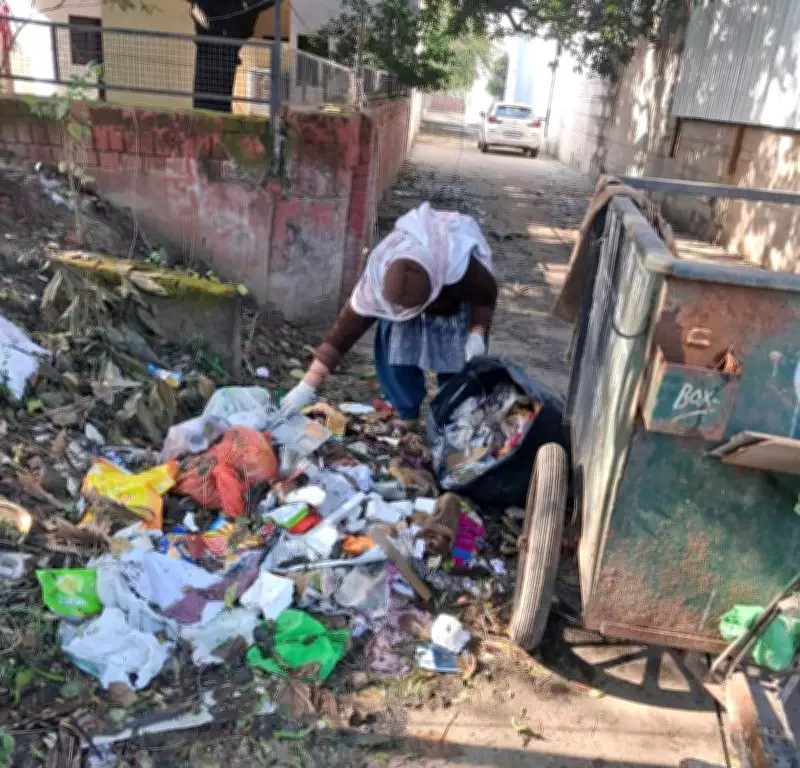
The policy, announced recently, targets individuals who violate littering norms in Chandigarh. Under this scheme, those found littering will be issued a notice by MC officials. They must then decide between paying a hefty monetary penalty or participating in a mandatory street cleaning session. The cleaning task typically involves spending a few hours picking up trash in the area where the violation occurred, under the supervision of municipal staff.
This approach is designed to serve as both a deterrent and an educational tool, emphasizing the consequences of irresponsible waste disposal. By offering this choice, the MC hopes to reduce repeat offenses and encourage a culture of cleanliness among residents and visitors alike.

Rationale Behind the Initiative
Chandigarh, known for its planned architecture and green spaces, has been grappling with littering issues that tarnish its aesthetic appeal and pose environmental risks. The MC's decision stems from a need to address this problem more effectively than traditional fines alone. Officials believe that the physical act of cleaning streets will leave a lasting impression on offenders, making them think twice before littering again.
The policy aligns with broader efforts to promote sustainable urban living and comply with national cleanliness campaigns like Swachh Bharat Abhiyan. It also reflects a shift towards community-based solutions, where citizens play an active role in maintaining public hygiene.
Implementation and Public Response
MC teams have been deployed across Chandigarh to enforce the policy, focusing on hotspots such as markets, parks, and residential areas. Initial reports suggest a mixed response from the public:
- Supporters argue that it is a necessary step to curb littering and instill discipline.
- Critics express concerns about potential misuse or harshness, especially for minor infractions.
- Many residents welcome the move, hoping it will lead to cleaner streets and a healthier environment.
To ensure transparency, the MC has outlined clear guidelines for the process, including verification of offenses and monitoring of cleaning activities. Offenders who opt for street cleaning must complete the task to avoid further penalties, such as increased fines or legal action.
Impact and Future Outlook
This policy is expected to have a significant impact on Chandigarh's cleanliness metrics. By combining financial penalties with hands-on community service, the MC aims to reduce littering incidents and promote a sense of shared responsibility. If successful, it could serve as a model for other cities in India facing similar challenges.
Looking ahead, the MC plans to review the policy's effectiveness periodically and make adjustments based on feedback and outcomes. The ultimate goal is to create a litter-free Chandigarh, where citizens actively contribute to maintaining the city's pristine image and environmental health.






