

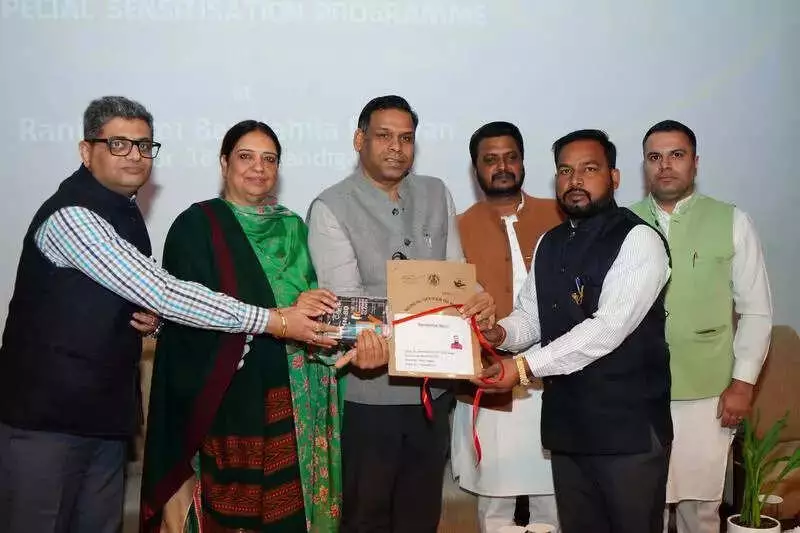
The Chandigarh Municipal Corporation took a significant step towards formalizing and strengthening its urban sanitation framework on Wednesday. The civic body signed a crucial memorandum of understanding (MoU) with the city's door-to-door waste collectors, widely known as Safai Saathis. The event also saw the distribution of essential sanitation kits to these frontline workers, marking a new chapter in the city's waste management system.
Leadership Lauds Tireless Efforts of Sanitation Workers
Speaking at the ceremony, Mayor Harpreet Kaur Babla expressed deep gratitude for the unwavering dedication of the Safai Saathis. She emphasized that Chandigarh's reputation as the City Beautiful is not solely due to its planned architecture and lush greenery. "The tireless efforts of the Safai Saathis, who ensure the city remains clean every single day, are a cornerstone of this beauty," Mayor Babla stated, acknowledging their indispensable contribution to the city's pride and public health.
A Collaborative Push for Dignity and Efficient Systems
Municipal Commissioner Amit Kumar highlighted the collaborative spirit that led to the finalization of the new agreement. He outlined the core objectives behind this initiative, which are threefold:

- To strengthen systemic operations in waste management.
- To enhance the dignity of labour for sanitation workers.
- To ensure efficient and sustainable waste management for Chandigarh.
"This MoU reflects our commitment to transparency, improved service delivery, and the welfare of our Safai Saathis," Commissioner Kumar asserted. He further reiterated the corporation's continued focus on capacity building, upgrading infrastructure, and implementing continuous monitoring. These efforts, he noted, are aimed at maintaining Chandigarh's position among the cleanest cities in India.
Formal Recognition Brings Renewed Confidence
The move was warmly welcomed by the waste collectors' association. Its president, Dharmveer, spoke on behalf of all the door-to-door workers, stating that the administration's approach had significantly boosted their morale. He pointed out that the MoU provides them with much-needed formal recognition, promises improved institutional support, and restores a sense of dignity to their crucial profession. This formal partnership is expected to streamline operations, define roles clearly, and ensure better working conditions for those at the forefront of keeping Chandigarh clean.

