Chandigarh Administration Takes Strict Action Against Fuel Hoarding and Black Marketing
In a decisive move to combat artificial scarcity and price manipulation, the Chandigarh administration has invoked stringent legal provisions to curb hoarding and black marketing of essential petroleum products. District Magistrate Nishant Kumar Yadav issued a comprehensive order on March 18, 2026, under Section 163 of the Bharatiya Nagarik Suraksha Sanhita (BNSS), 2023, aimed at ensuring the smooth supply and distribution of petrol, diesel, CNG, and LPG across the Union Territory.
Immediate Response to Reports of Malpractices
The order was prompted by credible reports received by the administration indicating that certain individuals, traders, and entities were allegedly engaged in hoarding, black marketing, and stockpiling of fuel resources. These activities have led to artificial scarcity and abnormal price increases in the market, posing a threat to public welfare and economic stability.
Officials emphasized that such malpractices could escalate into law-and-order issues and disrupt the uninterrupted availability of essential commodities. To safeguard public interest, the District Magistrate exercised powers under the Essential Commodities Act, 1955, alongside the BNSS, imposing stricter controls on the fuel supply chain.

Key Directives and Monitoring Measures
Under the new order, authorities have been directed to implement several critical measures:
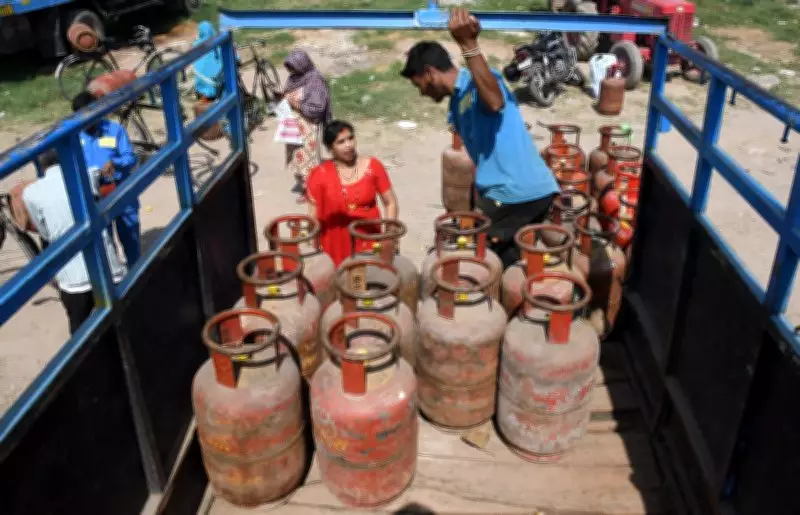
- Prevent the diversion of domestic LPG cylinders for commercial purposes.
- Eliminate double stocking and overcharging by dealers under any circumstances.
- Require oil marketing companies (OMCs) to provide daily updates on LPG stock and supply to the Department of Food and Supplies, Chandigarh.
- Maintain close surveillance on supply chains, stock positions, and retail prices to ensure compliance.
Additionally, the administration has mandated widespread publicity through newspapers and other media platforms to clarify that there is no shortage of petrol, diesel, CNG, or LPG. This initiative aims to prevent panic buying and reassure citizens about the availability of these essential products.
Focus on Vulnerable Sectors and Public Grievance Redressal
The order places special emphasis on protecting vulnerable sections of society. It stipulates that hospitals, educational institutions, and government establishments must receive an uninterrupted supply of LPG, PNG, and other petroleum products to ensure their operational continuity.
To enhance monitoring and address public concerns, a control room has been established at the Department of Food and Supplies and Legal Metrology in Sector 17. Sumit Jindal, Inspector of the Food and Supplies Department, has been appointed as the nodal officer to handle complaints related to hoarding and black marketing of fuel and LPG.
Citizens are encouraged to report any instances of malpractices to the department at the contact number 0172-2703956, fostering community involvement in upholding the law.
Legal Enforcement and Duration of the Order
The order came into effect at midnight on March 17, 2026, and will remain in force until April 16, 2026. Authorities have issued a stern warning that any violation will attract strict action under Section 223 of the Bharatiya Nyaya Sanhita, 2023, along with other relevant legal provisions. This underscores the administration's commitment to maintaining market integrity and consumer protection.
By leveraging the BNSS and Essential Commodities Act, the Chandigarh administration aims to create a robust framework that deters unethical practices and ensures the equitable distribution of fuel resources, thereby supporting economic stability and public trust in the region.