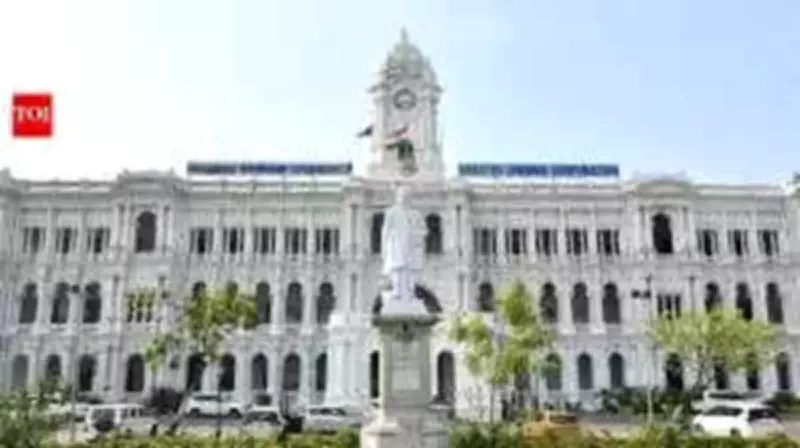
Greater Chennai Corporation Ramps Up Enforcement, Nets ₹11.79 Crore in Penalties
In a significant crackdown on civic violations, the Greater Chennai Corporation has substantially intensified its enforcement operations this year, resulting in the collection of a substantial ₹11.79 crore in fines so far. The civic body has doubled down on its efforts to maintain urban discipline and public health standards across the city.
Major Violations and Corresponding Fines
The enforcement drive has targeted a wide array of infractions, with improper waste disposal emerging as the most lucrative source of penalties. The corporation collected an impressive ₹7.28 crore from 35,843 transactions related to waste management violations. This highlights the ongoing challenges and the civic body's firm stance on maintaining cleanliness.
In a focused effort to combat environmental hazards, the regional enforcement squads fined 47,208 individuals last month alone for possessing single-use plastic, amassing ₹2.77 crore. This move aligns with broader environmental policies aimed at reducing plastic pollution.

Mosquito breeding violations also contributed significantly to the coffers, fetching ₹1.12 crore from 10,951 transactions. This underscores the corporation's commitment to public health, particularly in preventing vector-borne diseases.
Other Notable Penalties and Enforcement Strategies
The crackdown extended to various other violations. For instance, 299 people were fined ₹28 lakh for clean and safe construction violations, while 151 individuals faced penalties of ₹21 lakh for illegal sewage connections into stormwater drains. Additionally, 27 people were fined ₹66,000 for abandoning their vehicles on roads beyond the permitted 15 days.
To ensure comprehensive coverage, the corporation has established 55 regional enforcement squads that operate in two batches, including late-night shifts, to apprehend violators. GCC Commissioner J Kumaragurubaran emphasized the strategic deployment, stating, "We gave more than 1000 POS devices to different officials. We review the penalization every week and increase vigil in hotspots." He added that the number of squads would be increased if necessary to enhance enforcement effectiveness.
High-Value Violations and Zonal Collections
Certain violations attracted particularly high fines, acting as strong deterrents. Illegal stormwater drain connections for commercial constructions incurred the highest penalty at ₹2 lakh per violation. Mosquito breeding violations, especially for hotels, schools, and colleges, could result in fines up to ₹10 lakh for the third offense, reflecting the severity with which repeat offenses are treated.
Some violators faced cumulative fines; for example, those not adhering to construction guidelines were charged up to ₹25,000 per bill four times, totaling ₹1 lakh. Similarly, individuals disposing of solid waste in public places were fined between ₹5,000 and ₹10,000, aimed at preventing recurrence.
Geographically, Kodambakkam zone led in collections with ₹1.3 crore, followed closely by Teynampet at ₹1.1 crore, and Ambattur at ₹98 lakh. This zonal breakdown indicates varying levels of enforcement activity and violation prevalence across the city.
Enhanced Monitoring and Accountability
The civic body's quality control team played a crucial role by monitoring online complaints and forwarding them to zonal enforcement teams for immediate on-the-spot action. This integrated approach ensures that grievances are addressed promptly, enhancing public trust and accountability.
Commissioner Kumaragurubaran's leadership, with a background in impactful investigations and a focus on transparency, drives these efforts. The enforcement initiatives blend data-driven strategies with rigorous fieldwork, aiming to uncover violations and promote better governance for the residents of Chennai.