Chennai's Waste Revolution: 3 New Composting Plants to Divert 30% Wet Waste from Landfills
In a significant move toward sustainable urban management, the Greater Chennai Corporation (GCC) has announced plans to establish three windrow composting centers across the city. This initiative aims to redirect nearly one-third of Chennai's wet waste away from overcrowded dumpyards, marking a pivotal shift in the city's approach to waste processing.
Major Infrastructure Investment in Waste Processing
The flagship project will be a massive 1,000-tonne capacity composting plant, to be constructed on a 20-acre reclaimed space at the Perungudi dumpyard. This site, previously subjected to biomining, represents a strategic reuse of land that has long been associated with waste accumulation. Officials have confirmed that funding for this ambitious plant will be finalized following the completion of a detailed project report, ensuring proper financial planning and execution.
In addition to the Perungudi facility, two smaller plants—each with a capacity of 50 metric tonnes—are slated for development in the Madhavaram and Manali zones. The combined investment for these two facilities is estimated at approximately 15 crore rupees, reflecting GCC's commitment to decentralizing waste processing infrastructure across different parts of the city.

Overcoming Past Challenges and Current Realities
The Perungudi site has been a focal point of both opportunity and controversy. Previous proposals, including an eco-park and a bioCNG plant, faced strong opposition from local residents concerned about foul odors and the conversion of wetland areas into waste-processing sites. Despite these setbacks, the dumpyard continues to receive about 2,500 tonnes of waste daily, underscoring the urgent need for effective solutions.
An official from the solid waste management department explained the rationale behind the new approach: "This does not require a huge, industry-like set-up, but it can still process high amounts of waste. We must deal with the existing waste burden while addressing community concerns."
How Windrow Composting Works
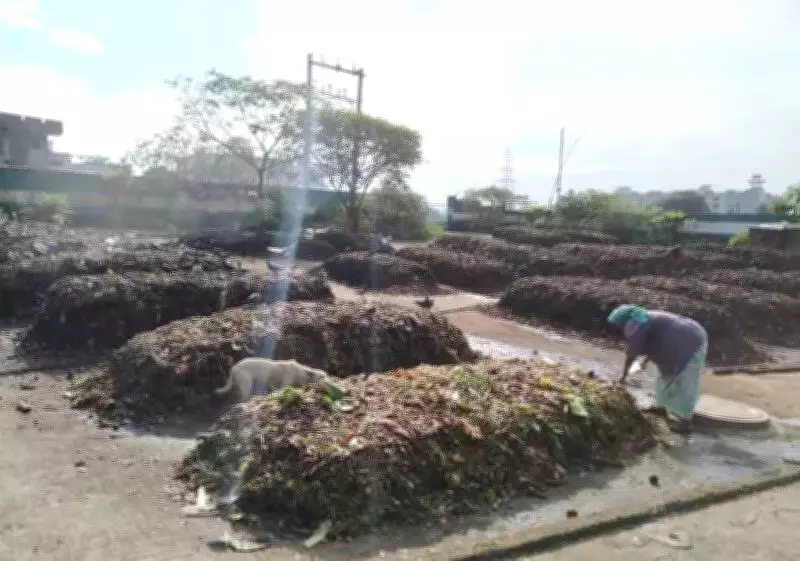
Windrow composting is an aerobic process that involves placing biodegradable materials—such as animal manure, crop residues, and food waste—into long rows called windrows. A mechanical turner is then used to regularly expose the waste to air, facilitating natural disintegration. Throughout this process, specific types of waste are separated and either converted into compost, shredded for other uses, or processed into agricultural fertilizers using specialized equipment like fertilizer crushers.
The entire cycle typically takes about two weeks to complete, transforming organic waste into valuable resources rather than letting it accumulate in landfills.
Current Waste Processing Capacity and Future Goals
Currently, GCC processes only 250 tonnes of the 3,000 tonnes of wet waste generated daily in Chennai. This limited capacity is primarily due to inadequate infrastructure and delays in establishing large-scale bioCNG plants at sites like the Kodungaiyur dumpyard. The new composting centers are expected to substantially increase processing capabilities, moving the city closer to sustainable waste management targets.
Community Concerns and Implementation Challenges
Despite the promising plans, residents and activists have raised valid concerns about waste segregation and implementation. Civic activist R Ramesh from Santhome pointed out practical hurdles: "They can set up new infrastructure, but waste ends up mixed at the dumpyard. Who will segregate it there? Without promoting door-to-door and local-level composting, such projects may not be successful."
Ramesh also highlighted that even private contractors often collect mixed waste, complicating segregation efforts. He expressed concern that upcoming incineration plants in Kodungaiyur and Vengadamangala might encourage officials to opt for burning waste rather than pursuing natural processing methods, potentially undermining composting initiatives.
The success of Chennai's new composting strategy will depend not only on infrastructure development but also on effective waste segregation at source, community engagement, and a sustained commitment to environmentally friendly processing methods.