Chennai Corporation Initiates Strict Enforcement Against Unauthorized Hoardings
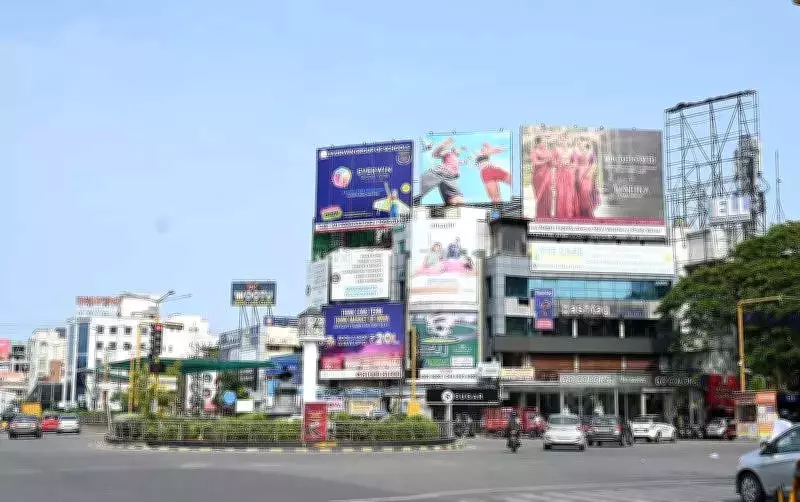
The Greater Chennai Corporation (GCC) is set to launch a rigorous enforcement drive targeting unauthorized advertisement hoardings across the city, commencing March 7. Authorities will impose substantial fines of ₹25,000 on violators as part of a comprehensive regulatory effort to bring order to the city's outdoor advertising landscape.
New Licensing Framework and Fee Structure
Under the recently notified Tamil Nadu Urban Local Bodies Rules, 2023, the GCC has established a formalized process for installing advertisement boards. Applicants must submit online applications through a dedicated web portal to the GCC commissioner. A single-window committee will meticulously scrutinize each submission, granting licenses only after verifying full compliance with regulations and receipt of prescribed fees.
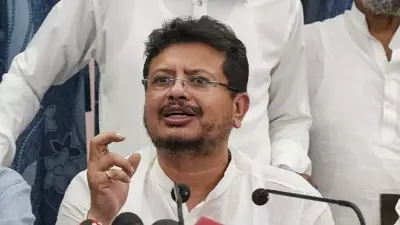
The fee structure ranges from ₹3,000 to ₹6,000 per square meter, with an additional 20% surcharge applied to LED hoardings. All licenses require annual renewal to maintain validity. Deputy Mayor Mahesh Kumar revealed that more than 100 firms have already initiated the application process, expressing optimism about potential revenue generation. "If all hoarding operators register properly, we anticipate continuous revenue running into several crores annually," Kumar stated.

Current Regulatory Landscape and Enforcement Strategy
Currently, the city has approximately 640 hoardings officially approved by the GCC. However, numerous other installations operate without proper authorization. Kumar noted that some firms with existing hoardings have obtained temporary stays from the high court, while the remainder are considered illegal and must obtain licenses promptly.
To strengthen enforcement capabilities, GCC has equipped revenue inspectors and assistant engineers with POS devices to issue fines directly during field inspections. These officials have been tasked with conducting comprehensive surveys to document all hoardings within their respective wards, creating a complete inventory of outdoor advertising structures throughout Chennai.
Safety Standards and Placement Regulations
The GCC has implemented specific safety and placement guidelines to address concerns about precariously positioned hoardings in key urban areas. Problematic locations identified include the Anna Nagar roundtana, OMR near Tidel Park, Anna Salai near Park Hotel, and various other city stretches where hoardings are often mounted on building walls without proper structural consideration.
According to official regulations, hoardings must be permanent installations printed on approved materials such as flex. For rotating digital displays, each visual must remain visible for at least 10 seconds. Animation or full-motion video displays are permitted exclusively in non-traffic zones or designated parking areas to prevent driver distraction.
Dimensional Restrictions and Removal Procedures
Strict dimensional parameters govern hoarding installations throughout Chennai. The maximum permissible height is 10 meters from ground level, with installations allowed only up to the second floor of buildings. From March 7 onward, all unlicensed boards will be classified as unauthorized structures subject to immediate removal.
Demolition costs for illegal hoardings will be recovered directly from building owners or installation companies. Elaya Aruna, chairman of the standing committee on town planning, emphasized the comprehensive nature of the enforcement drive. "We plan to scale up our efforts in the coming weeks, with particular focus on removing dangerous hoardings that lack proper structural stability," Aruna confirmed.
Revenue Potential and Urban Aesthetics
The regulatory initiative represents a significant opportunity for municipal revenue generation while simultaneously addressing urban aesthetics and public safety concerns. With estimates suggesting several thousand hoardings currently operating throughout Chennai, proper licensing could transform outdoor advertising into a substantial, sustainable revenue stream for the corporation.

The enforcement drive aligns with broader efforts to enhance urban governance and transparency in Chennai's municipal administration. By establishing clear regulations, standardized procedures, and consistent enforcement mechanisms, the GCC aims to create a more orderly, safe, and visually appealing urban environment for all residents and visitors.