Chennai's Athipattu Dumpyard Bio-Mining Project Advances to Second Phase
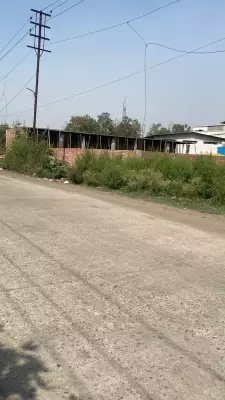
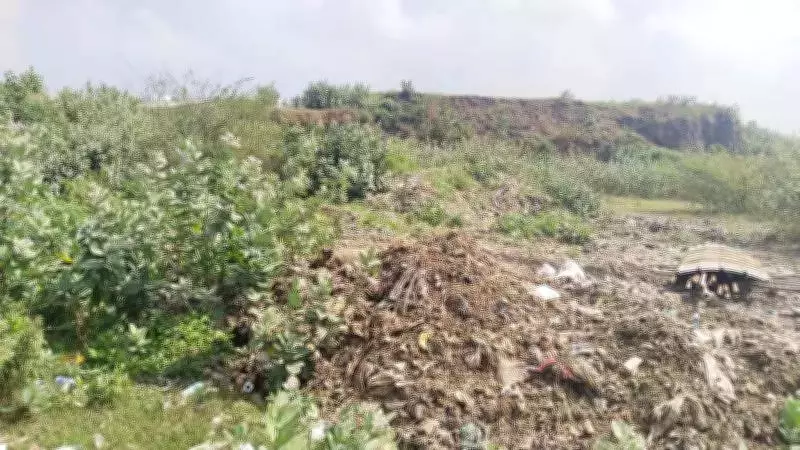
The Greater Chennai Corporation (GCC) has intensified its bio-mining operations at the Athipattu dumpyard located in Ambattur, marking a significant step in the city's legacy waste reclamation efforts. This initiative, which began in 2019, targets the scientific processing of accumulated waste to mitigate environmental hazards and enhance public welfare.
Progress and Scope of the Bio-Mining Initiative
Spanning over 12 acres, the Athipattu dumpyard has historically served as a landfill for more than 1.50 lakh tonnes of legacy waste from Ambattur and its surrounding regions. In the initial phase of the project, approximately 1.07 lakh tonnes of solid waste were successfully cleared through bio-mining techniques, incurring an estimated cost of 6.02 crore rupees. This process involves the biological treatment of waste to recover materials and reduce landfill volume.
Phase 2: Accelerated Efforts and Future Plans
Currently, the GCC has issued work orders for Phase 2, focusing on the removal of the remaining 72,000 tonnes of waste. According to C A Balamurali, the chief engineer for solid waste management, this phase is projected to cost around 6.94 crore rupees and is expected to be completed within the next six months. The ongoing work aims to further reduce environmental pollution and improve the area's overall condition.

Balamurali emphasized that since the inception of the bio-mining process, there has been a noticeable reduction in environmental pollution, contributing to enhanced public welfare. However, plans for the reclaimed land post-clearance are still under deliberation by the corporation. Additionally, fresh waste generated in the future will continue to be processed using bio-mining methods to prevent further accumulation.
Resident Concerns and Environmental Impact
Despite the progress, local residents have expressed concerns regarding the project's pace and its environmental implications. S Jayachandran, representing the Union of Ambattur Residents Welfare Associations, highlighted issues such as groundwater pollution triggered by the bio-mining activities. He urged the authorities to ensure proper maintenance of the reclaimed land and utilize it for community-beneficial projects to avoid reverting to a dumping site.
Residents report that the slow progress has caused inconvenience, underscoring the need for efficient execution and transparent communication from the GCC. The corporation faces the dual challenge of expediting waste clearance while addressing environmental and public health concerns raised by the community.
Conclusion: A Step Towards Sustainable Waste Management
The Athipattu dumpyard bio-mining project represents a critical component of Chennai's broader strategy for sustainable waste management. By leveraging scientific methods, the GCC aims to transform a longstanding environmental burden into a reclaimed asset. As Phase 2 progresses, stakeholders await the finalization of land-use plans and hope for a swift resolution to the ongoing challenges, ensuring a cleaner and healthier environment for Ambattur residents.