

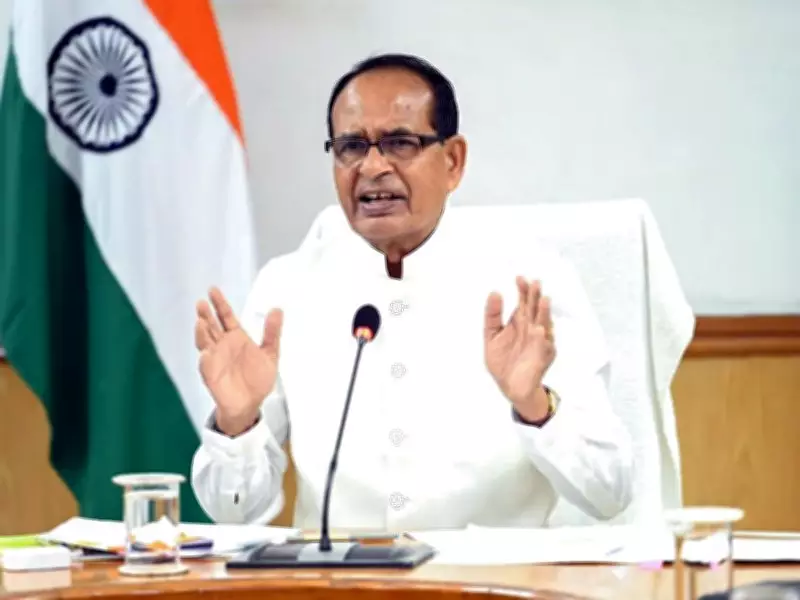
Union Minister of Agriculture and Farmers Welfare, Shivraj Singh Chouhan, has issued a stern warning against the indiscriminate use of fertilisers without proper soil testing. Speaking at a national conference on soil health in New Delhi, Chouhan emphasised that such practices not only harm the environment but also lead to increased input costs for farmers and reduced crop yields over time.
Need for soil testing
The minister stressed that soil testing is essential to determine the specific nutrient requirements of the soil. He noted that many farmers across the country apply fertilisers based on tradition or advice from peers, rather than scientific recommendations. This results in overuse of certain nutrients, which can cause soil degradation, water pollution, and greenhouse gas emissions.
Government initiatives
Chouhan highlighted several government schemes aimed at promoting soil health, including the Soil Health Card scheme, which provides farmers with customised nutrient recommendations. He urged state governments to strengthen their soil testing infrastructure and encourage farmers to test their soil at least once every two years.

The minister also called for a shift towards balanced fertilisation, combining organic and inorganic sources. He mentioned that the government is promoting the use of bio-fertilisers and nano-fertilisers to reduce dependency on chemical fertilisers.
Economic and environmental benefits
By adopting soil-testing-based fertiliser application, farmers can save up to 20-30% on fertiliser costs while maintaining or even improving yields. Environmentally, it reduces nutrient runoff into water bodies, mitigating issues like algal blooms and water pollution. Chouhan concluded by stating that sustainable agriculture is key to ensuring food security and protecting the planet for future generations.






