

Coimbatore's Summer Power Demand Set to Surpass 3,000MW Amid Rising Temperatures
With the arrival of summer, electricity consumption in the Coimbatore region has begun a significant upward climb. Officials from the Tamil Nadu Power Distribution Corporation Limited (TNPDCL) anticipate that peak demand will cross the 3,000-megawatt (MW) threshold in the coming months, driven by escalating temperatures and increased usage.
Steady Rise in Power Consumption and Peak Demand
P Sureshkumar, Chief Engineer of TNPDCL in Coimbatore, provided detailed insights into the region's escalating power needs. The Coimbatore region, encompassing Coimbatore, Tirupur, and the Nilgiris districts, previously recorded a daily power consumption of 55 million units (MU). Over the last four days, this figure has risen to 57.4 MU, signaling a clear correlation with the steady increase in summer heat.
Data from TNPDCL reveals that the peak power demand for the current financial year, up to March 8, has already reached 2,860 MW. Historical trends underscore a consistent growth pattern: peak demand stood at 2,682 MW in April 2023, 2,900 MW in April 2024, and 2,950 MW in April 2025. This gradual escalation highlights the region's growing reliance on electricity, particularly during the sweltering summer months.

Proactive Measures for Uninterrupted Power Supply
In response to the anticipated surge, TNPDCL has implemented several strategic measures to ensure a stable and uninterrupted power supply throughout the summer and the ongoing state assembly election period. Special patrol teams have been deployed to address power interruptions immediately, while officials have compiled a comprehensive list of areas experiencing low voltage issues. To bolster infrastructure, additional transformers have been installed in these vulnerable locations.
P Sureshkumar emphasized that there will be no scheduled monthly shutdowns until public examinations and the election process conclude, as major maintenance works were completed in February. In the event of power disruptions, the protocol involves first attempting back-feeding through alternative lines to restore supply swiftly before initiating repair works.
Regional Consumption Patterns and Industry Feedback
Sureshkumar also noted that the Coimbatore region ranks among the highest in electricity consumption within Tamil Nadu, following only Chennai and Kancheepuram. On average, approximately 5,000 new electricity connections are established each month, with domestic connections constituting the majority.
However, some industrial sectors have reported minor operational challenges. A Siva Shanmugakumar, President of the Coimbatore Tiny and Small Foundry Owners Association (COSMAFAN), mentioned experiencing short power fluctuations and brief outages lasting a few minutes between 4 PM and 8 PM. "Despite these minor issues, the ongoing public examinations and elections have so far prevented any major power interruptions," he stated, acknowledging the overall stability of the supply.
Residential Concerns and Strategic Planning
From a residential perspective, Jawahar Subramaniyam, a resident of an apartment in Selvapuram, reported no significant power cuts to date. However, he highlighted a concerning trend: electricity bills for the same level of consumption have increased by approximately 25% compared to six months ago, pointing to potential tariff adjustments or heightened usage during peak hours.
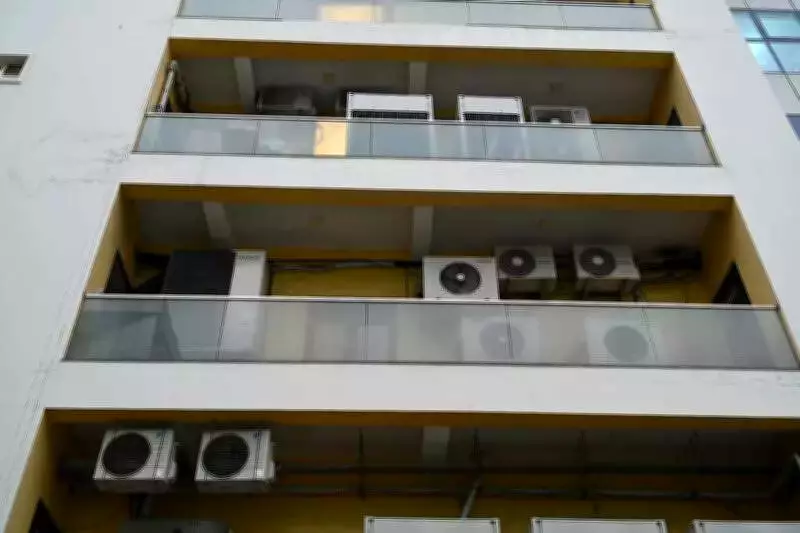
Looking ahead, J Radhakrishnan, Additional Chief Secretary and Chairman and Managing Director of the Tamil Nadu Electricity Board Limited, outlined comprehensive plans. "For the next three months, we have established long- and medium-term arrangements for power supply and are implementing 24/7 monitoring to manage morning, daytime, and night peak hours," he explained. Special planning is also in place to handle the peak load during air-conditioner usage hours in urban areas, ensuring that the grid can withstand the intensified summer demand.
As temperatures continue to rise, the Coimbatore region's power infrastructure faces a critical test. With proactive measures and vigilant monitoring, authorities aim to balance growing consumption with reliable supply, mitigating disruptions for both households and industries during this peak period.






