The Bangalore Water Supply and Sewerage Board (BWSSB) has identified a corroded pipeline as the root cause of a recent water contamination scare in the Lingarajapuram area. The discovery was made with the aid of specialized robotic inspection technology, averting a potential public health crisis.
Robotic Investigation Pinpoints the Problem
According to an official statement from the BWSSB, the precise location where contaminated water was entering the supply line was identified on Monday, around 10:30 am. The breakthrough came after engineers deployed a pipeline inspection robot into the network. "The robot helped us identify the exact spot where the contamination was taking place," the board confirmed. This technological intervention allowed crews to bypass lengthy manual checks and target the repair work immediately.
Cause and Immediate Response
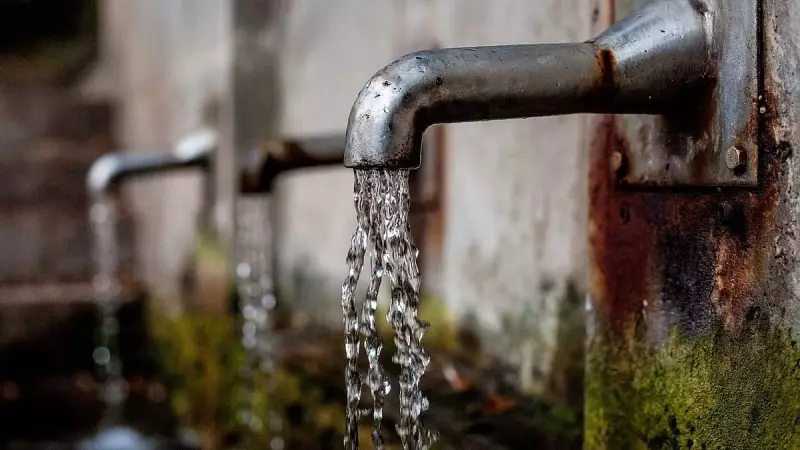
The investigation revealed that corrosion in an aging pipeline was the culprit, allowing pollutants to seep into the drinking water supply. Following the identification, BWSSB teams swiftly isolated the affected section. Repair work was initiated to replace the corroded segment and flush the local system to restore water quality and safety for residents of Lingarajapuram.
Broader Implications for Civic Infrastructure
This incident highlights the ongoing challenges of maintaining aging urban water infrastructure in rapidly growing cities like Bengaluru. The successful use of robotic inspection underscores a move towards more proactive and tech-driven maintenance strategies by the BWSSB. It serves as a critical reminder of the need for continuous investment in upgrading essential services to prevent such contamination events, which directly impact public health and citizen trust.
The board has advised residents in the vicinity to run their taps for a few minutes if they notice any discoloration and to report any further concerns directly to the BWSSB helpline.