

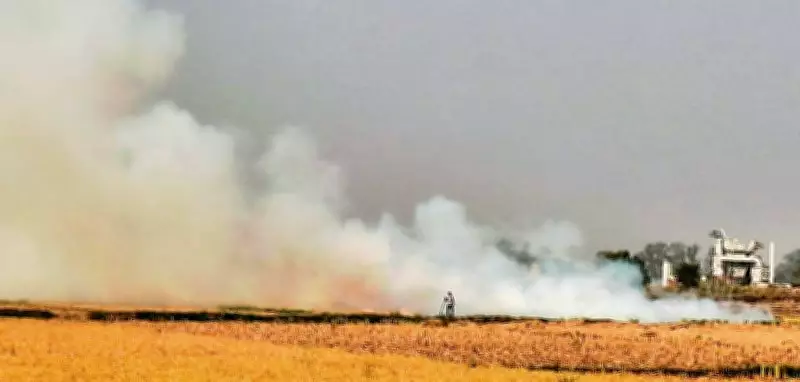
The Deputy Commissioner (DC) and Senior Superintendent of Police (SSP) of Jalandhar recently visited the villages of Nadala and Begowal to interact with local farmers. The primary objective of their visit was to raise awareness about the harmful effects of stubble burning and to encourage farmers to adopt alternative methods for managing crop residue.
Appeal to Farmers
During the visit, the DC and SSP urged farmers to refrain from setting their fields on fire after harvesting. They emphasized that stubble burning not only degrades soil health but also contributes significantly to air pollution, leading to severe health issues for the community. The officials highlighted that the smoke from burning crop residue exacerbates respiratory problems and harms the environment.
Alternatives to Stubble Burning
The officials informed the farmers about various eco-friendly alternatives available to them. These include using Happy Seeders, Super Seeders, and other machinery that can manage crop residue without burning. They also mentioned the subsidies provided by the government for purchasing such equipment. Additionally, the DC and SSP stressed the importance of converting crop residue into organic manure or using it for animal bedding, which can provide additional income to farmers.

Legal Consequences
The SSP warned that strict legal action would be taken against those found violating the ban on stubble burning. He stated that the police and district administration are committed to enforcing the law to protect the environment and public health. The officials urged farmers to cooperate with the authorities and set an example for others by adopting sustainable practices.
Community Engagement
The visit also included a meeting with village panchayats and local representatives. The DC and SSP requested them to spread the message among the farming community and help in monitoring any instances of stubble burning. They emphasized that community participation is crucial to achieving a zero-stubble-burning season.
Farmers present during the visit appreciated the efforts of the administration and assured their support in adopting alternative methods. They acknowledged the long-term benefits of preserving soil fertility and improving air quality for future generations.
The district administration plans to conduct more such awareness campaigns in other villages to ensure a comprehensive approach to tackling the issue of stubble burning in the region.






