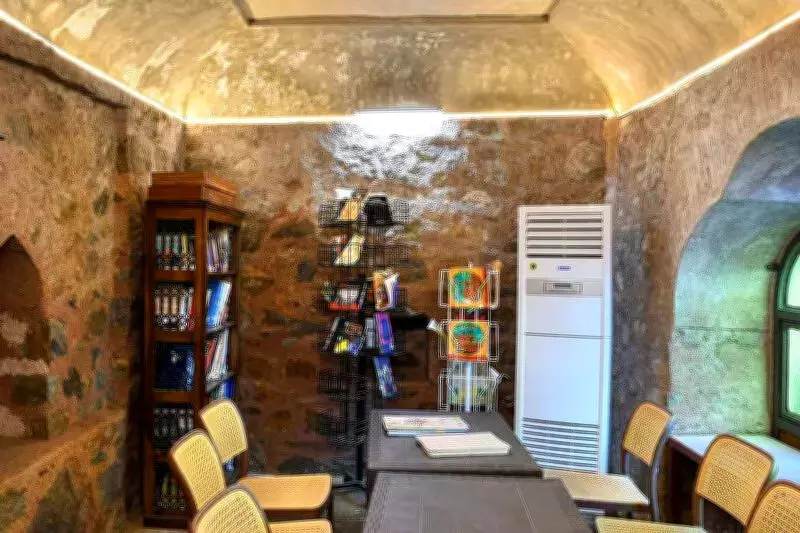
Unidentified Mehrauli Monument Gets New Life as Community Reading Room
In a unique heritage revitalization initiative, the Delhi Development Authority (DDA) has transformed a previously unnamed and dilapidated monument adjacent to Chaumukha Darwaza in Mehrauli Archaeological Park into a vibrant public reading room. This once-overlooked structure, which had stood for centuries without historical identification, is now attracting visitors with its new purpose as a free community space.
Restoration with Heritage Sensitivity
The restoration project, which began over a year ago, has carefully preserved the monument's original character while making it functional for contemporary use. Traditional restoration techniques were employed throughout the process, including the installation of a red sandstone floor and repairs to walls and staircases using original materials. An official involved in the project explained, "The idea of restoring the ruins was to give them a fresh lease of life and ensure their public use."
Currently, conservation work continues on the remaining portions of the structure, particularly the roof that had completely collapsed. Following strict heritage norms, workers are constructing a temporary roof using red sandstone slabs and beams designed specifically to avoid imposing any structural load on the existing monument.

Multi-Agency Coordination for Holistic Development
While Chaumukha Darwaza falls under the jurisdiction of the Archaeological Survey of India (ASI), the adjoining structure is being restored by DDA through coordinated efforts with multiple agencies. This collaborative approach has enabled comprehensive improvements to visitor infrastructure while maintaining the site's historical integrity.
Beyond the monument-specific restoration, DDA has undertaken extensive development work in the surrounding area, including:
- Desilting of waterbodies to improve water quality and flow
- Creation of pedestrian pathways for better accessibility
- Construction of sidewalls incorporating small decorative fountains
- Comprehensive landscaping with seasonal flowering plants
- Removal of encroachments to restore the park's original layout
A New Community Destination
The restored structure now houses a modest yet engaging collection of books and board games like chess and carrom, all available free of charge to visitors. DDA has developed a large lawn in front of the reading corner building, where visitors were recently observed enjoying the winter sun during a site visit.
Adjacent to the monument, a large lake with multiple operational fountains adds to the aesthetic appeal of the area. Staff members were actively engaged in cleaning the lake to improve aeration and maintain biological oxygen demand levels, while horticulture teams planted seasonal flowering plants in preparation for the spring season.
Growing Popularity and Extended Accessibility
The site's proximity to restaurant facilities and the recently restored Metcalf Boat House has contributed to particularly high weekend footfall during winter months. An official noted, "Earlier, this low-lying area was in ruins, and water from neighbouring localities used to collect here before draining into a dysfunctional waterbody."
Modern infrastructure improvements have addressed these historical challenges. New pipelines laid beneath the lawns now channel water directly into the lake, ensuring easy access even during monsoon seasons. The park remains open to the public until 8:30 PM, with decorative lights installed around restored structures making the area visually striking at night and popular among photography enthusiasts.
Broader Restoration Initiative Across Mehrauli Park
This project represents just one component of DDA's comprehensive restoration and conservation drive across Mehrauli Archaeological Park. The authority is currently focusing on reviving several key monuments within the park, including:

- Metcalf Boat House
- Quli Khan's Tomb
- Balban's Tomb Complex
- Rajon ki Baoli
- Chaumukha Darwaza
These coordinated efforts aim to enhance the visitor experience while preserving the historical character of one of Delhi's most significant archaeological sites, transforming neglected heritage structures into vibrant community spaces that bridge historical preservation with contemporary public utility.