Delhi Government's First-Year Milestones: Health, Food Security, and Green Transport
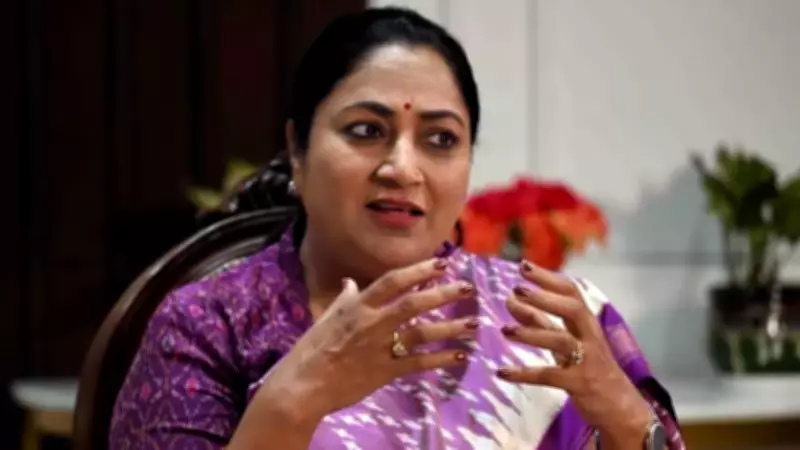
In an exclusive interview, Delhi's Chief Minister reflected on the administration's initial year, emphasizing that while one year is a short timeframe for major milestones, it has been a period of laying robust foundations for transformative projects. The CM stated, "It has certainly been a year of laying strong foundations for big projects."
Major Achievements: Healthcare, Food Security, and Public Transport
Ayushman Arogya Yojana stands out as a landmark achievement, ending a decade-long wait for comprehensive health coverage. Approximately 7 lakh people have registered under the scheme, with around 25,000 already receiving treatment. The government has disbursed about ₹45 crore in payments, providing significant relief to elderly citizens and families through a ₹10 lakh health insurance cover. The CM described this as "one of our most impactful initiatives."
The Atal Canteen scheme is highlighted as a crucial humane initiative, ensuring no one goes to bed hungry. With meals priced at Rs 5 for laborers and the poor, the scheme promotes dignity alongside food security, reducing dependency and begging.

In public transport, Delhi has added 4,200 EV buses, the highest in the country. Despite limited manufacturers and delivery timelines, advance orders have been placed to meet future needs. The government is also focusing on improving last-mile connectivity and expanding the metro infrastructure, which is already India's largest.
Infrastructure Redevelopment: Roads, Drainage, and Social Projects
Delhi's infrastructure is undergoing a massive transformation. The Public Works Department (PWD) plans large-scale upgradation and wall-to-wall carpeting of nearly 1,400 km of roads. A critical project involves overhauling the city's decades-old drainage system, much of which is nearly 50 years old.
To replace this outdated network and build a modern drainage system, a project estimated at Rs 56,000 crore is underway. Funding will come from bank loans, central support, and Delhi government contributions. The goal is to permanently address chronic issues like waterlogging, sewer overflow, and drain mismanagement.
On the social infrastructure front, the government is constructing schools and hospitals, developing mini-secretariats to decentralize administration, building residential accommodation for employees, and working on housing projects for slum cluster residents.
Women's Welfare: Mahila Samridhi Yojana and Implementation Challenges
The BJP's election promise of providing Rs 2,500 monthly assistance to women through the Mahila Samridhi Yojana is in progress. The CM acknowledged missing the initial March 8, 2025, timeline, citing the need to address the administration's severe financial stress upon taking office.
As finance minister, the CM prioritized clearing pending scholarships, metro dues, and resolving long-stuck projects like Barapullah. The government is now developing a portal for the scheme and verifying beneficiary data to ensure transparency and target genuine recipients.
The CM emphasized, "Our objective is to design a model scheme in Delhi where the financial support genuinely empowers women." Unlike other states, Delhi's version will focus on digital transfers and sustainability, with careful scrutiny of ration card and pension lists to avoid duplicates and ineligible cases.
Pollution Control: Yamuna Cleaning and Air Quality Measures
Addressing Yamuna pollution, the government has prepared a scientific action plan. Out of 35 sewage treatment plants (STPs), 22 have been upgraded, and work is ongoing to install 37 new decentralized STPs. Drone surveys of major drains are being conducted to prevent untreated water entry, and 25 lakh metric tonnes of silt have been removed.
For air pollution, a structured plan includes short-term measures like mist spraying and long-term steps such as road carpeting and planting 35 lakh indigenous trees. The government is promoting EVs, reviving waterbodies, and clearing garbage mountains. The CM noted, "Results will take time, but the work being done today will show visible improvement."

Governance Style and Future Priorities
The CM highlighted transparency as a key difference from the previous administration, with digitized processes, e-files, and a comprehensive grievance management system. On social media criticism, the CM stated, "My accountability is to the people of Delhi."
Looking ahead, the government is consulting experts on a new liquor policy and examining the optimal use of the former CM's bungalow. Traffic congestion will be eased through public transport enhancement and road infrastructure projects, including elevated roads and flyovers.
The CM concluded by reaffirming commitment to Delhi's residents, ensuring that government funds are utilized effectively for the state's development and welfare.