Delhi Transport Corporation Records Impressive 33% Revenue Growth in Current Fiscal Year
The Delhi Transport Corporation (DTC) has announced a substantial increase in its financial performance for the current financial year, with revenue figures showing a remarkable upward trajectory. According to official data from the transport ministry, the corporation's monthly average revenue for the period from April to November 2025-26 has already surpassed the full-year average of the previous fiscal year, registering a growth of over 33%.
Detailed Financial Performance and Comparative Analysis
In the financial year 2024-25, DTC recorded a total passenger revenue of Rs 326.8 crore, which translated to an average monthly income of approximately Rs 68.5 crore over the twelve-month period. However, the first eight months of the current fiscal year, spanning April to November 2025-26, have already seen passenger revenue reach Rs 240 crore. This impressive figure pushes the average monthly collection to Rs 91.1 crore, demonstrating a significant leap in financial efficiency and operational effectiveness.
Government projections now indicate that total revenue is expected to climb further, potentially touching Rs 350 crore by the conclusion of the fiscal year. This optimistic forecast is largely attributed to the strategic induction of additional buses and a marked improvement in fleet utilization rates, which have collectively enhanced service capacity and passenger engagement.

Ministerial Insights and Strategic Overhaul
Transport Minister Pankaj Singh provided context for this financial turnaround, highlighting the challenges faced by DTC prior to the current administration's tenure. "When the BJP government assumed control, DTC was experiencing significant financial losses due to years of systemic mismanagement," Singh stated. "We initiated a comprehensive overhaul of the system, centered on the principle of 'minimum waste, maximum revenue.' Through rationalizing bus routes, professionalizing scrap sales, and optimizing asset management and monetization, we have generated solid income year-on-year until November. This growth is projected to continue through the end of 2025-26, reflecting our government's unwavering commitment to better serving the passengers of Delhi."
Key Drivers Behind the Revenue Surge
Officials have identified several critical factors contributing to this revenue surge:
- Enhanced Passenger Earnings: Higher ridership and improved fare collection mechanisms have bolstered core revenue streams.
- Stronger Non-Fare Revenues: Aggressive monetization strategies have unlocked additional income sources beyond ticket sales.
- Tighter Operational Controls: Implementation of stricter financial and operational oversight has reduced inefficiencies and waste.
A particularly notable contributor has been the special hire services segment. In the previous fiscal year, monthly earnings from this category averaged around Rs 5.4 crore. For 2025-26, this figure has risen to over Rs 10 crore monthly, representing a nearly two-fold increase. An official explained, "This growth is due to our streamlined processes for providing buses to various entities, including Delhi Police for security duties, educational institutions, and private organizations."
Expansion of Non-Ticketing Revenue Streams
Non-ticketing revenue has emerged as another major growth driver for DTC. Miscellaneous income, which encompasses earnings from scrap sales, advertisements, property rentals, and penalties, stood at nearly Rs 99 crore in 2024-25. For the period up to November in 2025-26, this figure has jumped to Rs 144 crore, reflecting a more aggressive and strategic approach to monetization and improved recovery of outstanding dues.
Officials detailed specific measures that have fueled this increase:

- Implementation of bus-wrap advertising campaigns.
- Efficient disposal of old scrap materials.
- Streamlined rent collection processes from DTC-owned properties.
Structural Changes and Future Outlook
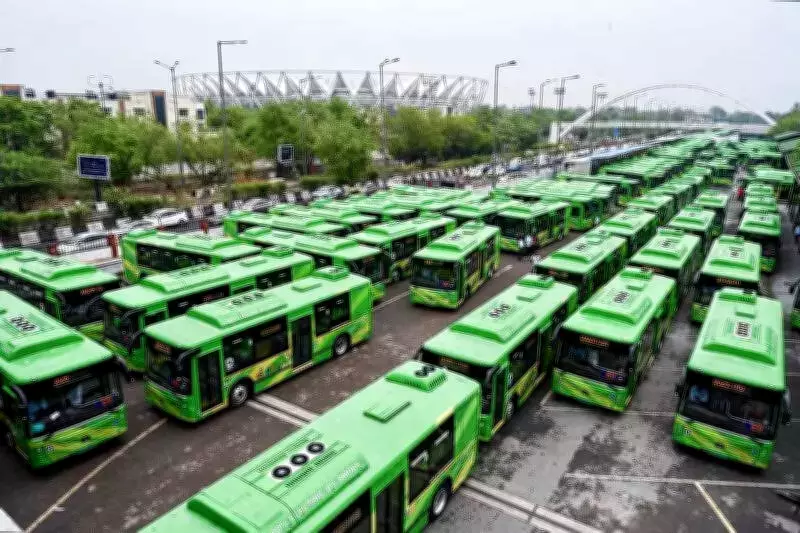
Transport department officials emphasized that the improvement in DTC's revenue points to a gradual strengthening of the corporation's financial position, which had been under strain for an extended period. According to Minister Singh, the surge is fundamentally due to structural changes implemented by the administration. These include the induction of new electric buses, which has expanded fleet availability and modernized services, and route rationalization efforts that have resulted in increased passenger numbers and optimized operational efficiency.
The overall financial revitalization of DTC underscores a successful shift towards sustainable public transport management, blending enhanced passenger services with robust revenue-generation strategies. As the fiscal year progresses, continued focus on these initiatives is expected to further solidify the corporation's economic stability and service quality for Delhi's commuters.