Delhi Government Set to Launch Ambitious Electric Vehicle Policy 2.0
The Delhi government is poised to officially notify its ambitious Electric Vehicle Policy 2.0 in the near future, strategically aligning it with the central government's PM E-Drive scheme. This move aims to accelerate the capital's transition to electric mobility by expanding subsidy provisions, strengthening charging infrastructure, establishing clear timelines for fleet conversion, and pushing for a complete shift to electric buses over the coming years.
Enhanced Subsidy Framework and Infrastructure Development
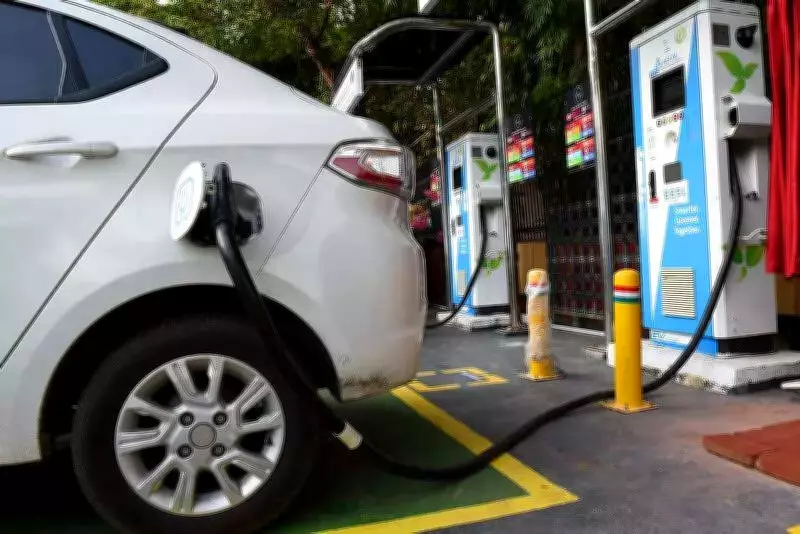
Under the PM E-Drive scheme, significant financial allocations have been made, including Rs 4,391 crore for 14,028 e-buses, Rs 2,000 crore for the installation of EV charging stations, and Rs 780 crore for upgrading testing agencies. Delhi officials have revealed plans for an EV corridor along the 47km Outer Ring Road, featuring fast-charging stations every 5 km to alleviate 'range anxiety' among drivers. Currently, Delhi has only 8,998 EV charging points against a required 36,177, with a target to increase this to 16,070 by year-end.
Detailed Subsidy Benefits for Electric Vehicles
The subsidy structure under the PM E-Drive scheme offers upfront purchase incentives through Aadhaar-based e-KYC authentication at dealerships. Key provisions include:

- Two-wheelers: Incentive of Rs 5,000 per kWh, capped at Rs 10,000 per vehicle, with an ex-factory price limit of Rs 1.5 lakh.
- Three-wheelers (e-rickshaws and e-carts): Subsidy of Rs 5,000 per kWh up to Rs 25,000 per vehicle.
- Cargo and passenger three-wheelers (L5 category): Eligible for incentives up to Rs 50,000, with an ex-factory price cap of Rs 5 lakh.
While the PM E-Drive scheme does not directly fund state governments or manufacturers, Delhi plans to promote it via its own portal, linking central benefits with state subsidies to maximize financial support for buyers. Currently, Delhi provides a subsidy of Rs 5,000 per kWh for electric two-wheelers, capped at Rs 30,000, and a flat Rs 30,000 per vehicle for electric three-wheelers.
Focus on Fleet Electrification and Policy Goals
A central objective of EV Policy 2.0 is the complete electrification of Delhi's public bus fleet. The government has set ambitious targets:
- 6,000 electric buses by March 31, 2026.
- 7,500 electric buses by March 31 of the next year.
- 10,400 electric buses by March 31, 2028.
- 14,000 electric buses by the following March 31.
The policy will also ensure an adequate supply of EVs, introduce scrapping incentives for older vehicles, and streamline battery disposal mechanisms to support sustainable growth in the electric vehicle sector.