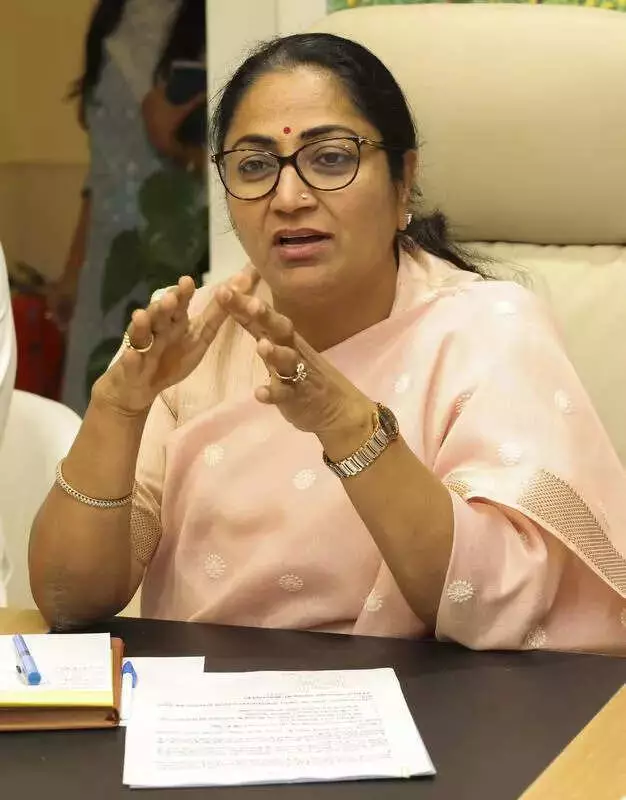
In a decisive move to combat air pollution, the Delhi government has declared a strict no-tolerance policy towards vehicles operating without valid Pollution Under Control (PUC) certificates. Chief Minister Rekha Gupta, speaking on Monday, emphasized that the Rs 10,000 penalty for such violations will be strictly enforced and will not be waived off.
Stricter Enforcement to Deter Violators
Chief Minister Rekha Gupta revealed that the existing penalty of Rs 10,000 for vehicles without a valid PUC certificate will be implemented without leniency. She expressed concern that many vehicle owners were approaching Lok Adalats to get these fines reduced, which she said diluted the law's deterrent effect. Gupta has directed officials to explore all legal avenues, including approaching courts if required, to prevent such waivers.
"The objective of this government is not revenue generation, but ensuring clean and healthy air for Delhi's citizens," Gupta stated. She highlighted that the government's recent "no PUC, no fuel" drive has already shown positive results. Official data indicates a significant surge in compliance, with 47,600 PUC certificates issued on December 19 alone. Furthermore, over 100,000 certificates were generated during the three-day enforcement drive from December 17 to 19.

Push for Green Mobility and Public Transport Overhaul
Looking beyond penalties, the Delhi government is proactively working on sustainable transport solutions. The administration announced plans to hold discussions with private mobility aggregators like Ola and Uber. The goal is to explore pooled and shared electric or non-polluting bus services within the Delhi-NCR region. This initiative aims to reduce reliance on private vehicles, ease chronic traffic congestion, and bolster eco-friendly public transport options.
CM Gupta reaffirmed that achieving zero emissions in the national capital remains a key priority. As part of this vision, the government will also introduce comprehensive new guidelines for e-rickshaws. Officials identified unregulated e-rickshaw movement as a major contributor to traffic snarls. The forthcoming guidelines will regulate their operational areas and routes to ensure smoother traffic flow, better road discipline, and lower pollution levels.
Rationalising Bus Routes for Last-Mile Connectivity
The public transport revamp extends to the Delhi Transport Corporation (DTC) as well. The government plans to rationalise DTC bus routes based on scientific planning. Gupta stressed that DTC services must reach every corner and neighbourhood of the city. Improved and rational route planning is expected to enhance last-mile connectivity significantly. "Strengthening public transport will encourage more citizens to shift away from private vehicles, thereby reducing vehicular emissions," she explained.
Concluding her announcements, the Chief Minister reinforced the administration's commitment: "Our commitment is clear — to make Delhi clean, green and pollution-free." The multi-pronged strategy of strict enforcement, promotion of electric shared mobility, and regulation of existing transport modes underscores a comprehensive approach to tackling Delhi's persistent air quality challenge.