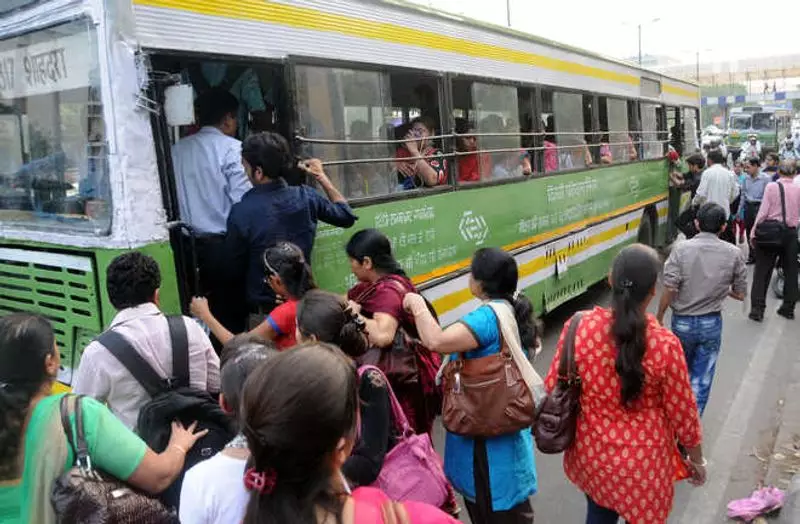
The Delhi government has initiated a significant overhaul of the city's bus network, embarking on a comprehensive rationalisation of routes. This major public transport initiative aims to streamline services, eliminate unnecessary overlaps, and significantly improve connectivity for millions of daily commuters across the National Capital Region.
Addressing Long-Standing Inefficiencies
The core objective of this exercise is to optimise the existing bus route network. Transport officials have identified that many routes run parallel to each other or to the Delhi Metro lines, leading to inefficient resource allocation. Furthermore, several areas suffer from a lack of direct connectivity, forcing passengers to take multiple buses or rely on other modes of transport for the last mile of their journey.
The rationalisation process is being conducted in a phased manner, with the first phase focusing on routes in the Najafgarh, Narela, and Shahdara depots. This careful, zone-by-zone approach allows authorities to study the impact and make necessary adjustments before expanding the plan citywide. The entire project is expected to be completed within the next two to three months, promising a transformed bus commuting experience for Delhiites.

Key Benefits for Commuters
For the average commuter, this rationalisation translates into several tangible benefits. The primary goal is to reduce overall travel time by creating more direct and logical routes. This means fewer detours and less time spent waiting at bus stops or in traffic due to bus bunching.
Another critical focus is enhancing last-mile connectivity. The revised network plan specifically aims to link residential colonies, commercial hubs, and metro stations more effectively. This integration is crucial for creating a seamless multi-modal public transport system in Delhi. Additionally, by removing redundant routes, the government can potentially deploy buses more strategically to underserved areas, improving frequency and coverage.
Implementation and Future Vision
The Transport Department is meticulously analysing data, including passenger footfall, peak hour demands, and existing route patterns, to design the new network. Public feedback may also be incorporated to ensure the changes address real-world commuting challenges.
This move is part of a broader vision to make public transport in Delhi more attractive, reliable, and efficient. A well-planned bus network acts as the backbone of urban mobility, reducing reliance on private vehicles and alleviating the city's chronic traffic congestion and pollution problems. The success of this rationalisation drive could set a benchmark for other Indian cities looking to revamp their public transportation systems.
While the changes may require regular commuters to adjust to new route numbers and stops initially, the long-term payoff promises a smoother, faster, and more connected journey across Delhi. The government's initiative marks a proactive step towards building a smarter and more commuter-friendly transport infrastructure for the national capital.