

Delhi Government Approves Revisions to 21 Metro Station Names in DMRC's Detailed Project Report
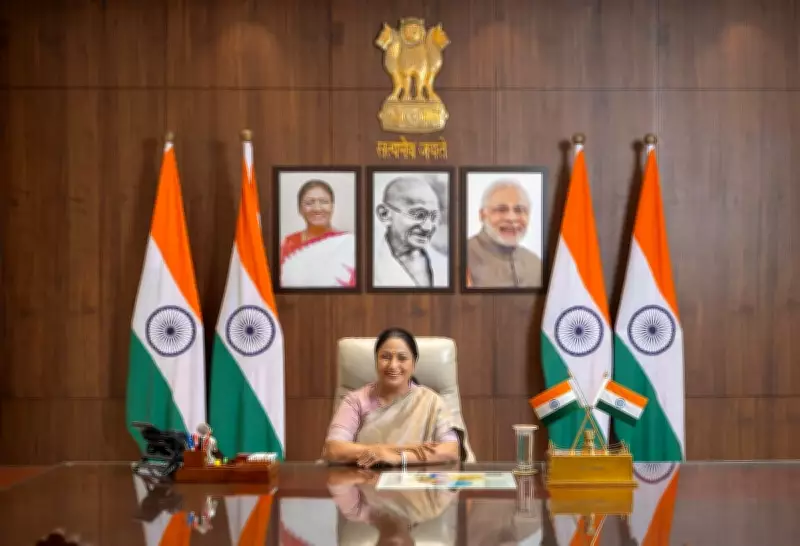
In a significant move aimed at enhancing cultural representation and administrative coherence, the Delhi government, under the leadership of Chief Minister Rekha Gupta, has officially revised the names of 21 metro stations proposed in the Detailed Project Report (DPR) of the Delhi Metro Rail Corporation (DMRC). This decision marks a pivotal step in the ongoing expansion and modernization of Delhi's public transportation network, reflecting the government's commitment to aligning infrastructure projects with local identities and historical significance.
Strategic Revisions for Improved Connectivity and Identity
The revisions were undertaken after thorough consultations with various stakeholders, including local communities, historians, and urban planners. The Delhi government emphasized that the new names are designed to better resonate with the areas they serve, ensuring that metro stations are not only functional hubs but also landmarks that celebrate Delhi's rich heritage and diverse neighborhoods. This initiative is part of a broader effort to make public transport more user-friendly and integrated into the city's social fabric.
Key aspects of the revision process include:

- Cultural Sensitivity: Names have been adjusted to honor local landmarks, historical figures, or community preferences, avoiding potential controversies or misrepresentations.
- Administrative Alignment: The changes aim to synchronize station names with official municipal records and geographical designations, reducing confusion for commuters and authorities alike.
- Future-Proofing: By updating the DPR at this stage, the government seeks to prevent last-minute alterations during construction, thereby streamlining project timelines and costs.
Implications for Delhi's Metro Expansion and Public Engagement
This revision is expected to have far-reaching implications for the DMRC's ongoing and future metro projects. It underscores the Delhi government's proactive approach to urban planning, where public input and cultural considerations are prioritized alongside technical and logistical factors. The move is likely to boost public confidence in the metro system, as residents see their voices reflected in the naming decisions, fostering a sense of ownership and pride in the city's infrastructure.
Moreover, the revised names are anticipated to improve wayfinding for commuters, especially tourists and new residents, by providing clearer and more intuitive references. This aligns with global best practices in transit design, where station names serve as critical navigational aids. The Delhi government has assured that the DMRC will incorporate these changes seamlessly into its implementation plans, ensuring no delays in the metro expansion schedule.
In conclusion, the revision of 21 metro station names by Chief Minister Rekha Gupta's administration represents a thoughtful blend of cultural preservation and modern urban development. It highlights how strategic decisions in infrastructure planning can enhance both functionality and community engagement, setting a precedent for future projects in Delhi and beyond.






