

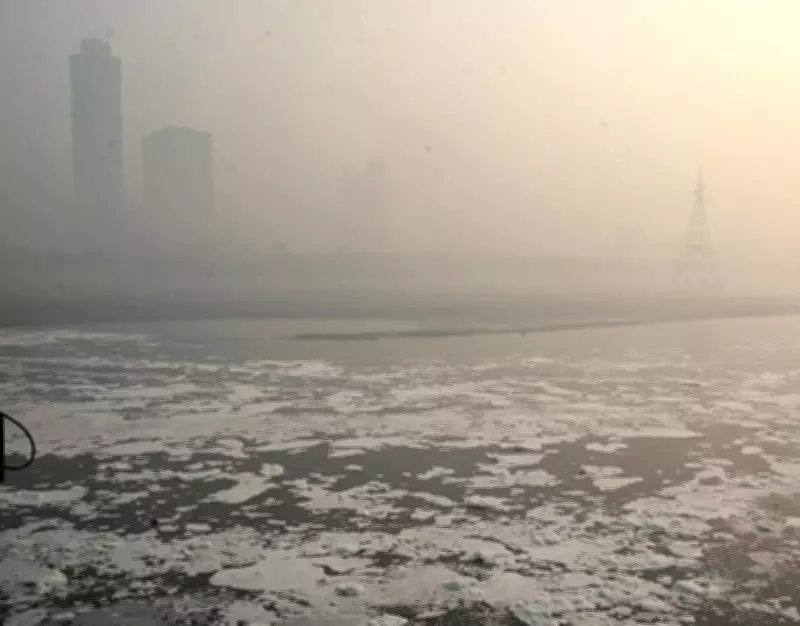
Delhi Jal Board Unveils Decentralised Strategy to Combat Yamuna Pollution
In a significant move to rejuvenate the Yamuna river, the Delhi Jal Board (DJB) has implemented a decentralised, data-driven strategy aimed at curbing pollutants in the 52-kilometer-long Najafgarh drain, one of the largest sources of waste flowing into the river. This initiative represents a major shift from broad, centralised efforts to targeted, micro-level interventions, as officials emphasize that restoring the Yamuna's health requires precise and localized actions.
Two-Year Roadmap and Segmented Monitoring
As part of this new approach, DJB has developed a comprehensive two-year roadmap to prevent untreated waste from entering the Najafgarh drain. The entire stretch of the drain has been divided into 22 segments, each aligned broadly with assembly constituencies and assigned to dedicated teams. These teams will conduct monthly monitoring of pollution levels at both inlet and outlet points, enabling accurate tracking of contamination sources.
The idea is to treat riverine pollution scientifically and locally, explained a senior DJB official. If pollution increases within a specific stretch, we can immediately identify the problem area. Conversely, if levels decrease, we know our interventions are effective.

Key Indicators and Pollution Sources
Central to this strategy is the monitoring of key indicators such as biological oxygen demand, which measures organic pollution in water. A spike in these levels triggers investigations into potential sources, including untreated sewage, industrial discharge, or waste from dairies, all of which continue to burden the Yamuna. Officials stress that addressing these pollution sources is critical for restoring the river's ecological balance.
Infrastructure and Collaborative Efforts
Efforts are underway to connect unsewered households to Delhi's sewer network, a step expected to significantly reduce the inflow of untreated waste into the Najafgarh drain. Tenders for this work have been floated in multiple stretches to expedite the process.
Simultaneously, DJB is collaborating with the Municipal Corporation of Delhi (MCD) to tackle waste from dairies, particularly cow dung, which substantially increases organic pollution. Plans include setting up biogas plants and promoting composting to prevent this waste from entering drains that feed the river.
Additionally, the flood control department has been tasked with cleaning major drains, with most of this work set to be completed within the year.
Long-Term Vision and Challenges
Government officials describe the river's revival as a multi-sectoral and phase-wise challenge. While smaller interventions are already in progress, large-scale infrastructure upgrades, such as the expansion of sewage-treatment plants, will take time to yield visible results. This holistic approach underscores the commitment to a sustainable and scientifically backed restoration of the Yamuna.






