

In a decisive move to shield its most vulnerable residents from the biting cold, the Delhi government has activated its comprehensive Winter Action Plan. Chief Minister Rekha Gupta, chairing a high-level review meeting at the secretariat on Tuesday, put all departments on high alert, issuing a clear directive: "not a single citizen should spend a winter night under the open sky."
Infrastructure and Capacity: A Network of Warmth
The capital's primary defence against the cold is its extensive network of night shelters. Delhi currently has over 326 functional night shelters with a combined capacity to house 19,844 individuals. Data from Monday night shows these facilities provided refuge to 5,799 people, with an additional 3,333 utilizing them during the daytime.
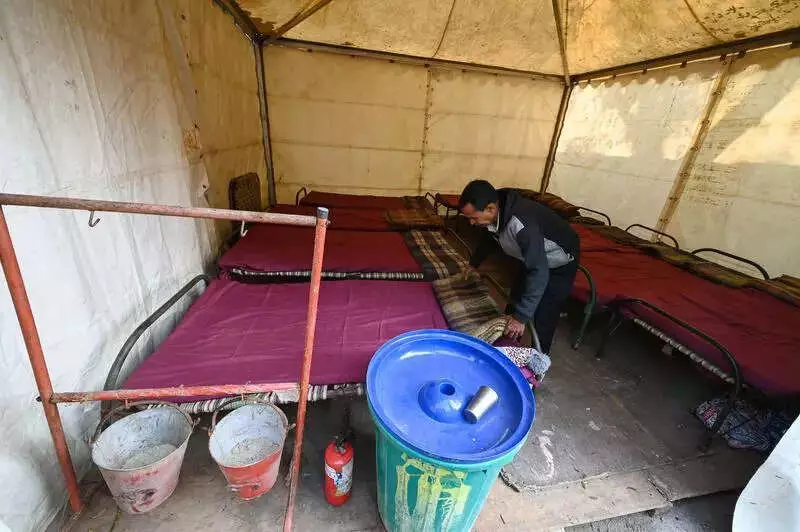
As part of the seasonal plan, the government is setting up 250 temporary shelters across the city. Of these, 204 are already operational. These shelters are not just basic roofs; they are equipped with essential amenities including beds, mattresses, blankets, pillows, electricity, mosquito-control devices, water coolers, and CCTV cameras. Special attention has been given to women's safety with dedicated security provisions. A continuous monitoring mechanism for all shelters will remain in place until March 15 to ensure seamless operation.

Expanded Scope: Protecting Beyond the Homeless
This year, the Winter Action Plan has significantly broadened its scope. While the homeless and economically weaker sections remain the core focus, the government has now included other vulnerable groups. Schoolchildren, hospital patients, and security personnel are now under the protective umbrella of the plan.
Chief Minister Gupta has instructed officials to identify and implement specific measures for schoolchildren. This includes exploring options like warm uniforms, heated spaces within schools, and flexible timings, potentially through Corporate Social Responsibility (CSR) partnerships. Similar winter arrangements have been mandated for anganwadi and childcare centres.
For security guards deployed at government buildings, the directive is to provide heaters and protective facilities. Furthermore, the health department has been ordered to ensure that hospitals, especially emergency wards and labour rooms, face no shortage of blankets, warm clothes, or other essential winter supplies for patients.
Outreach and Technology for Effective Implementation
To ensure no one is left out in the cold, dedicated outreach teams are actively guiding homeless individuals to the nearest available shelters. Technology is playing a crucial role in this effort. The Rain Basera mobile app continues to function effectively, providing real-time information on shelter availability and facilitating timely assistance for those in need.
"Delhi's night shelters are not merely structures; they symbolise dignity and security," stated CM Rekha Gupta. She emphasised that this year's plan involves more effective and wide-ranging measures, reflecting the administration's unwavering commitment to ensuring safety, warmth, and support for the city's most vulnerable residents during the harsh winter months.

