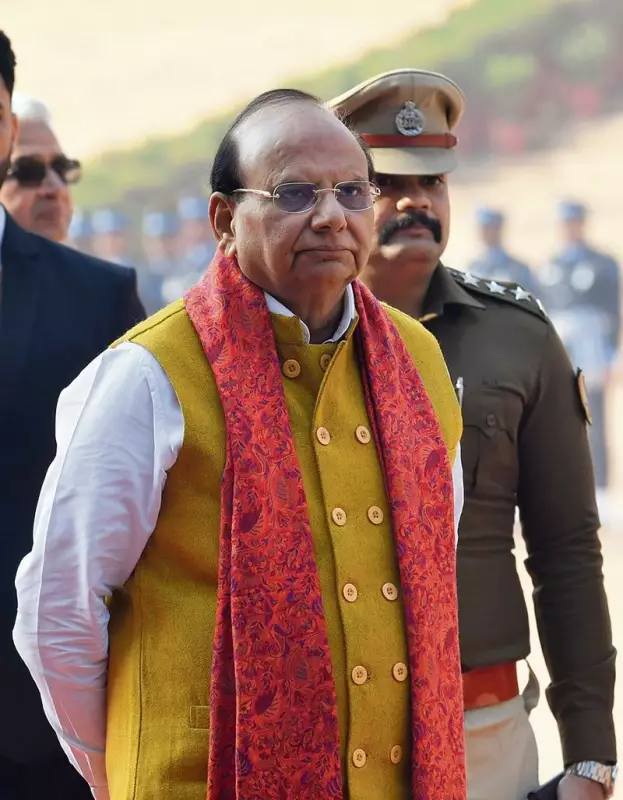
In a significant intervention, Delhi Lieutenant Governor VK Saxena has substantially reduced the punitive action against a teacher employed by the Municipal Corporation of Delhi (MCD). The LG deemed the original penalty of dismissal from service as "excessive and disproportionate" to the alleged misconduct.
LG's Decision Overturns Harsh Punishment
The case pertains to disciplinary proceedings initiated against the teacher. While the specifics of the alleged misconduct were detailed in the official proceedings, the LG's office concluded that the extreme step of termination was not justified. Exercising his powers under the relevant rules, LG VK Saxena modified the punishment to "compulsory retirement." This decision provides a significant reprieve to the employee, altering their service termination to retirement with applicable benefits.
The ruling was made after a thorough review of the case files and the recommendations from the concerned authorities. The LG's secretariat emphasized that while disciplinary accountability is paramount, the principle of proportionality in punishment must be upheld. The original order was found to be overly harsh given the circumstances of the case.

Emphasis on Proportionality in Disciplinary Actions
This decision underscores a critical administrative principle often highlighted in service jurisprudence: the punishment must fit the misconduct. The LG's intervention sends a clear message to civic bodies and disciplinary authorities to ensure that penalties are not vindictive but are commensurate with the nature of the lapse.
The move is seen as a corrective measure that balances the need for maintaining discipline within the civic workforce with the rights of employees to fair treatment. It prevents the career-ending consequence of dismissal, allowing the individual to retain the dignity of retirement benefits accrued over their service period.
Broader Implications for MCD Administration
The LG's order to reduce the penalty is expected to have wider implications for human resource practices within the MCD. It may prompt a review of other similar cases where disciplinary actions might have been disproportionately severe. The directive reinforces the role of appellate authorities in ensuring justice and fairness in administrative decisions.
Observers note that such interventions are crucial in large organizations like the MCD, which employs a vast number of teachers and other staff. They help in establishing a fair and just administrative culture, preventing potential arbitrariness in disciplinary proceedings. The case highlights the importance of having robust oversight mechanisms in place.
Ultimately, the LG's decision marks a pivotal moment where administrative power was used to rectify a perceived injustice and uphold the principle of proportionality, setting a precedent for future disciplinary matters within Delhi's civic bodies.