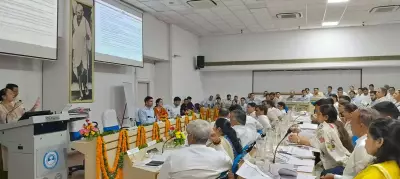
The Delhi government has announced a mandatory work-from-home policy for all its employees, requiring them to work from home for two days every week. This decision aims to reduce traffic congestion and curb air pollution in the national capital. The directive will come into effect from next month, as per an official statement released on Thursday.
Key Highlights of the Policy
According to the Delhi Chief Minister's office, all government departments, including autonomous bodies and public sector undertakings, will implement this policy. Employees will be allowed to choose their two work-from-home days in consultation with their respective department heads, ensuring that essential services remain unaffected. The government is also planning to issue an advisory for the private sector, encouraging similar measures to further ease the burden on Delhi's roads.
Impact on Traffic and Pollution
The decision is part of a broader strategy to combat the city's worsening air quality and traffic jams. Studies have shown that remote work can significantly reduce vehicular emissions and commute times. The Delhi government expects that this move will cut down the number of vehicles on the road by at least 20% during peak hours.

- Reduction in traffic congestion: With fewer employees commuting daily, traffic flow is expected to improve.
- Lower pollution levels: Fewer vehicles mean reduced emissions, which is crucial for Delhi's air quality.
- Improved work-life balance: Employees will save time and money on commuting.
Private sector companies in Delhi-NCR are likely to receive a formal advisory in the coming weeks. While compliance for private firms will be voluntary, the government hopes they will adopt similar policies to contribute to the city's environmental goals. The advisory will include guidelines on how to implement work-from-home arrangements without disrupting business operations.
Reactions from Employee Unions
Employee unions have welcomed the decision, stating that it will provide much-needed relief from long commutes and high pollution levels. However, some have raised concerns about the need for proper infrastructure and clear guidelines to ensure productivity. The government has assured that it will provide necessary technical support and training to help employees adapt to remote work.
This move comes after several rounds of consultations with environmental experts and urban planners. The Delhi government is also considering other measures, such as staggered office timings and carpooling incentives, to further reduce traffic and pollution. The work-from-home policy is initially set for a trial period of six months, after which it will be reviewed based on its effectiveness and feedback from employees and departments.