

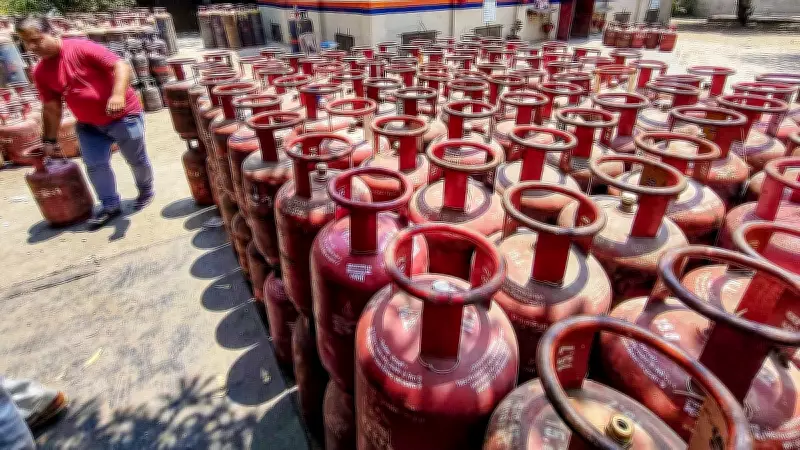
Delhi Government Implements New Policy Linking LPG Supply to PNG Connection Applications
In a significant regulatory shift, the Delhi government has mandated that businesses can only receive LPG (Liquefied Petroleum Gas) supply if they apply for a PNG (Piped Natural Gas) connection. This directive was formalized through an order issued by the Food, Supplies and Consumer Affairs Department on April 2, 2026, amending a key clause of the recently notified policy on the distribution of commercial LPG cylinders.
Policy Amendment Details and Implementation Timeline
The amendment specifically targets the operational framework for commercial LPG distribution, introducing a conditional requirement for businesses seeking to utilize LPG. Under the revised policy, entities must submit an application for a PNG connection as a prerequisite for accessing LPG supplies. This move is part of a broader strategy to encourage the adoption of cleaner and more efficient energy sources in the commercial sector.
The order, which was made public and reported by PTI on April 4, 2026, at 09:03 IST, underscores the government's commitment to enhancing energy security and environmental sustainability. By linking LPG supply to PNG applications, authorities aim to phase out reliance on traditional LPG cylinders in favor of piped gas systems, which are often considered safer and more cost-effective for high-volume users.

Objectives and Expected Impact on Businesses
This policy change is designed to streamline energy distribution and reduce logistical challenges associated with LPG cylinder handling. Businesses, including restaurants, hotels, and industrial units, will need to comply with the new requirement to ensure uninterrupted fuel supply. The government anticipates that this measure will not only promote the use of PNG but also help in monitoring and regulating gas consumption more effectively.
Experts suggest that the amendment could lead to a gradual transition towards a more integrated energy infrastructure in Delhi. By mandating PNG connection applications, the government is pushing for a shift that aligns with national goals of reducing carbon emissions and improving air quality in urban areas.
Stakeholder Reactions and Future Implications
Initial reactions from the business community have been mixed, with some expressing concerns over the potential costs and procedural delays associated with obtaining PNG connections. However, proponents argue that the long-term benefits, such as reduced operational expenses and enhanced safety, outweigh the initial hurdles.
The Delhi government's decision reflects a proactive approach to energy policy, setting a precedent that other states might follow. As the implementation progresses, it will be crucial to monitor how businesses adapt and whether the policy achieves its intended outcomes of promoting cleaner energy and efficient distribution.






