

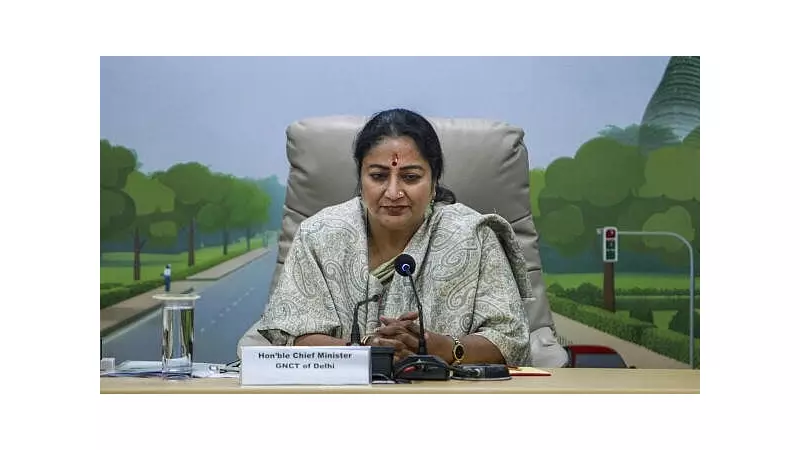
In a decisive move to tackle the capital's persistent air quality crisis, Delhi's Chief Minister has announced stringent enforcement of a critical rule linking fuel access to pollution compliance. The policy mandates that vehicles must possess a valid Pollution Under Control (PUC) certificate to be eligible for refueling at petrol pumps across the city.
Strict Enforcement to Curb Worsening Air
Speaking at a public event on 18 December 2025, Chief Minister Gupta left no room for ambiguity. He stressed that no vehicle would be allowed to refuel in Delhi without presenting a valid PUC certificate. The CM acknowledged that the strict enforcement of this rule might cause some inconvenience to vehicle owners. However, he firmly stated that this measure is a necessary step to address the city's dangerously deteriorating air quality.
The Rationale Behind the Policy
The 'No PUC, No Fuel' rule is not a new regulation but its rigorous implementation marks a significant escalation in the government's fight against pollution. The PUC certificate is a document that verifies a vehicle's emissions are within the prescribed limits set by the government. By making it a prerequisite for purchasing fuel, the administration aims to ensure a higher rate of compliance among all vehicle owners, from two-wheelers to commercial trucks.

This direct linkage creates a powerful enforcement mechanism. It places the onus on every individual vehicle owner to regularly get their vehicle's emissions checked and keep the certificate current. The move targets one of the major contributors to Delhi's toxic air—vehicular emissions.
Public Reaction and Expected Impact
While the announcement is expected to be met with some public grumbling, environmental experts and health advocates have largely welcomed the move. They argue that such strong, enforceable actions are long overdue. The potential consequences of the rule are clear:
- Increased pressure on vehicle owners to maintain their engines properly.
- A significant reduction in the number of highly polluting vehicles on Delhi's roads.
- Long-term benefits for public health by lowering exposure to harmful pollutants like PM2.5 and nitrogen oxides.
The success of this initiative will depend heavily on seamless coordination between the transport department, the pollution control board, and all fuel stations in the National Capital Territory. The government has indicated that the rule will be implemented without delay, signaling a new phase of aggressive action in Delhi's battle for cleaner air.






