

In a significant move to tackle the persistent menace of air pollution, the Delhi government has announced a comprehensive overhaul of its Pollution Under Control (PUC) certificate system. The revamp will introduce a robust third-party monitoring mechanism to ensure stricter compliance and curb emissions from vehicles, a major contributor to the capital's poor air quality.
A New Era of Accountability for Vehicle Emissions
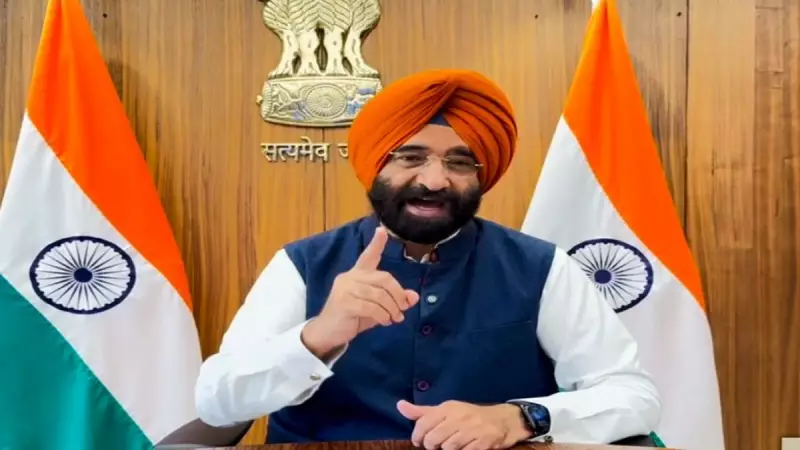
The announcement was made by Manjinder Singh Sirsa, the leader of the opposition in the Delhi Municipal Corporation, on Tuesday, December 17, 2024. The decision comes amid growing concerns over the effectiveness of the current PUC regime, which has often been criticized for lax enforcement and the potential for fraudulent certification.
The core of the new strategy involves the integration of an independent, third-party audit and monitoring system. This external oversight is designed to bring transparency and credibility to the entire process of emission testing. By removing sole control from individual testing centers, the administration aims to eliminate malpractices and ensure that every vehicle on Delhi's roads meets the mandated emission standards.

Manjinder Singh Sirsa emphasized that this systemic upgrade is a critical component of the broader action plan to improve Delhi's air quality. Vehicles are a primary source of pollutants like particulate matter (PM2.5 and PM10) and nitrogen oxides, and ensuring they run cleanly is non-negotiable for public health.
Key Features of the Overhauled PUC Mechanism
The overhaul is not limited to just introducing external monitors. The entire framework of the PUC system is set for an upgrade to make it more reliable and harder to manipulate. While specific technical details are to be formally released, the plan is expected to include several key features aimed at fortifying the chain of compliance.
One major focus will be on enhancing the technology used at PUC centers. This could involve the deployment of more advanced and tamper-proof testing equipment that directly feeds data into a centralized government server. Such integration would prevent manual manipulation of readings and create a real-time, verifiable database of vehicle emissions across the city.
Furthermore, the policy envisages stricter penalties for non-compliance and for centers found issuing certificates without proper testing. The threat of heavy fines and the potential cancellation of licenses for erring centers will act as a strong deterrent. The role of the third-party auditors will be to conduct random and surprise checks at these centers, validating the accuracy of their equipment and the legitimacy of the certificates issued.
Implications for Delhi's Fight Against Air Pollution
This proactive step has been welcomed by environmental experts and citizens' groups alike. A reliable PUC system is the first line of defense against pollution from the transportation sector. By plugging the loopholes in the current system, the Delhi government aims to ensure that the millions of vehicles registered in the capital are not spewing excessive smoke and harmful gases.
The success of this initiative, however, will hinge on its seamless implementation and sustained enforcement. The collaboration between the transport department, the proposed third-party agencies, and law enforcement will be crucial. Public awareness campaigns will also be essential to encourage vehicle owners to regularly get their emissions checked and understand the importance of valid PUC certificates.
This move signals a shift from ad-hoc measures to a more structured, technology-driven, and accountable approach to managing vehicular pollution. As Delhi continues to grapple with its annual air quality crisis, especially in winter, such systemic reforms are vital for achieving long-term improvements in the city's environment and safeguarding the health of its residents.






