Delhi Traffic Police Proposes Major Rerouting Plan to Alleviate ISBT Kashmere Gate Congestion
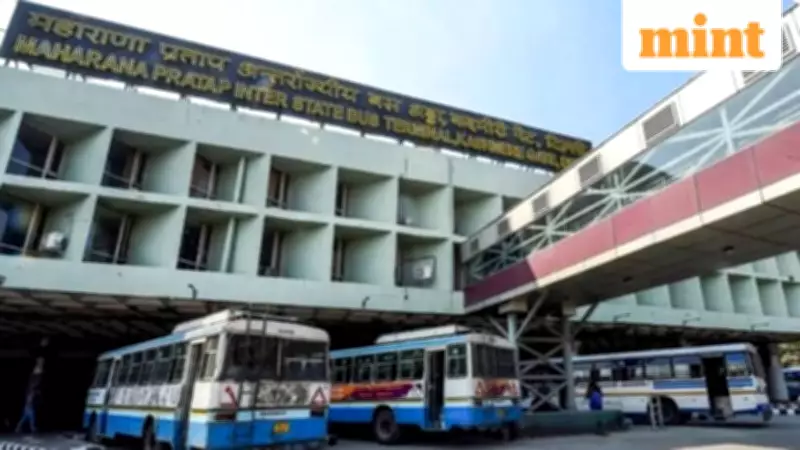
The perennial traffic snarls at ISBT Kashmere Gate, a major transit hub in Delhi, might soon become a distant memory if a new proposal by the Delhi Traffic Police gets approved. In a significant move aimed at decongesting the capital's roads, authorities have suggested rerouting interstate buses from this busy terminal to alternative expressways.
Chronic Congestion at Key Delhi Transit Point
ISBT Kashmere Gate has long been notorious for its congested roads, primarily due to the constant gridlock of interstate buses traveling to destinations across North India. These buses, en route to states like Haryana, Punjab, Himachal Pradesh, and Jammu & Kashmir, create severe bottlenecks that affect not just the terminal area but spill over to adjacent corridors.
The current routing sees these buses proceeding to Sonepat via Ring Road, Outer Ring Road, and National Highway-44. This existing path has been identified as the source of severe traffic jams at multiple critical points including Chandgi Ram Akhara and GT Karnal Bypass. The congestion even extends its impact to Delhi University's north campus and Azadpur Mandi, creating a ripple effect of delays across north Delhi.

Proposed Solution: Expressway Diversion
According to the proposal submitted to the Delhi government's transport department and the Public Works Department, interstate buses would be diverted from their current route to utilize the newly opened Dehradun Expressway. This would be accessed via the Eastern Peripheral Expressway before merging with NH-44 near Sonepat.
Deputy Commissioner of Police (Traffic) Nishant Gupta explained that the recommendation emerged following concerns raised by road safety NGO Guru Hanuman Society of Bharat. The organization conducted a comprehensive study of the existing route and presented suggestions for alternative pathways, prompting authorities to reconsider the current alignment for interstate buses.
Current Route Problems and Health Impacts
Officials have highlighted multiple issues with the current routing system. The prolonged idling of vehicles at congestion points not only delays commuters but also has harmful effects on public health due to increased emissions. The movement of interstate buses on these crowded routes further delays other motorists, creating a cascading effect on Delhi's overall traffic flow.
Traffic Commissioner emphasized that these congestion points lead to extended vehicle idling times, resulting in negative impacts on both public health and commuter safety. The current system prioritizes neither efficiency nor environmental considerations.
New Proposed Route Details
The recommended alternative route would see buses departing from Kashmere Gate ISBT and heading to Ring Road initially. To reach NH-44 near Sonepat, these vehicles would then take the GT Road, proceed through Shastri Park, and access the Eastern Peripheral Expressway in northeast Delhi. This expressway-based route is specifically designed for long-haul travel and is already popular among motorists seeking to avoid city traffic.
A senior traffic police officer noted that this expressway-focused approach aligns with modern traffic management principles, separating intercity transit from local commuter routes to optimize flow for all users.
Expert Support for the Proposal
Urban transport expert Atul Ranjeet Kumar, who serves as President of Guru Hanuman Society of Bharat NGO, has expressed strong support for the proposal. He emphasized that shifting intercity bus traffic away from the city core represents an effective strategy for reducing urban congestion. This approach not only benefits local commuters but also improves the travel experience for interstate passengers.
The proposal represents a forward-thinking approach to Delhi's persistent traffic challenges, potentially transforming one of the city's most congested areas into a more efficient transit point. If implemented successfully, it could serve as a model for similar interventions at other problematic traffic nodes across the National Capital Region.