

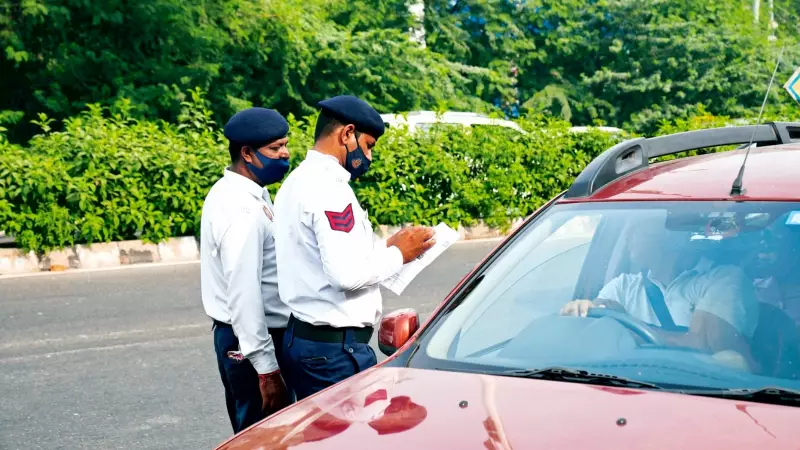
Delhi residents can now pay traffic challans instantly on the spot by scanning QR codes. The Delhi Traffic Police launched this new system to make payments more convenient and feasible for citizens. People simply need to use UPI apps to complete transactions immediately after receiving a challan.
Streamlining Challan Payments
The initiative began with a trial run in five circles during the first two weeks of January. After successful testing, authorities implemented it across the entire capital. Traffic police officers distributed approximately 1,500 QR code scanners throughout Delhi to facilitate the process.
Addressing Payment Challenges
S K Singh, DCP of Traffic Headquarters, explained the motivation behind the system. "We launched this to improve public perception and make it easy for citizens to pay challans," Singh stated. He noted that people frequently complained about difficulties with government or court portals, including payment declines and technical issues.

Previously, individuals had to repeatedly visit portals or wait for Lok Adalat sessions to settle their challans. Even after making payments, the system often took considerable time to update. The new integrated approach ensures immediate reflection of payments once completed.
How the QR Code System Works
The process involves several straightforward steps:
- Upon receiving a challan message on your mobile phone, open your UPI application linked to your vehicle's registration number.
- The app will display a list of pending challans associated with your vehicle.
- Select the specific challan you wish to pay.
- Complete the payment through the UPI app interface.
- You will receive a confirmation message once the payment processes successfully.
Alternatively, you can scan a QR code directly at the traffic spot to initiate payment. In both methods, the payment status updates immediately on official government websites.
Reducing Backlog and Improving Efficiency
Last year witnessed around 20 lakh challans issued in Delhi, with an equal number of camera violation notices pending. Traffic police personnel emphasized that the integrated system aims to streamline operations and reduce this substantial backlog. By enabling immediate payments, they hope to clear pending cases more efficiently.
Security Precautions and Official Channels
The Traffic Police department has issued warnings about potential frauds. In a recent social media post, they advised citizens to "pay traffic challans securely, lawfully, and responsibly—only through official portals." The department specifically mentioned that people should make payments exclusively on Traffic Police or court websites to avoid scams.
This new QR code payment system represents a significant shift in how Delhi handles traffic violations. It replaces cumbersome procedures with instant digital transactions, reflecting broader moves toward technological integration in urban governance.






