

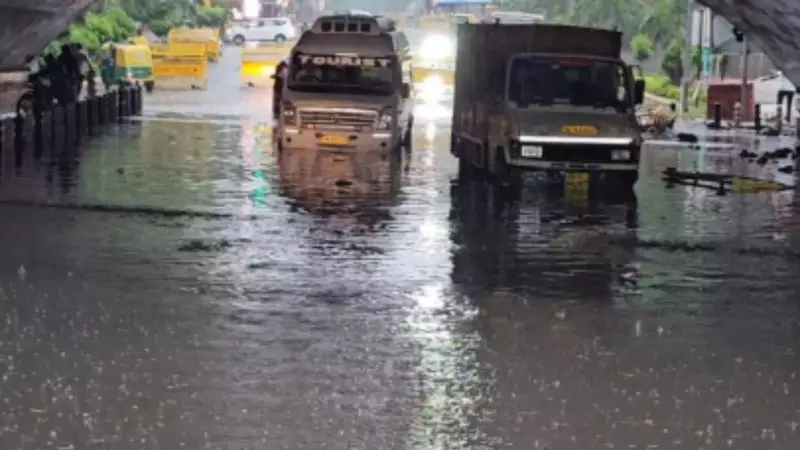
Delhi Waterlogging Study Recommends Rainwater Harvesting, Tube Well Revival
A comprehensive study by the Central Ground Water Board has outlined specific measures to tackle persistent waterlogging issues in New Delhi Municipal Council areas. The report, released on Tuesday, focuses on thirty-seven identified hotspots where flooding regularly occurs.
Key Recommendations for Water Management
The study proposes several concrete actions to mitigate waterlogging problems. Researchers emphasize the revival of fifty-seven closed tube wells to actively pump out excess groundwater. They also recommend designing effective rainwater harvesting systems with proper desiltation and filtration chambers.
Artificial recharge of groundwater features prominently among the suggested solutions. The report identifies at least twenty locations among the thirty-seven hotspots where such artificial recharge appears feasible and practical.

Lodhi Garden Identified as High-Risk Zone
Lodhi Garden emerges as a particular concern in the study findings. Researchers marked this area as a high-risk zone for waterlogging due to its exceptionally shallow water level. Measurements show water sits just 3.53 meters below the surface here.
The study explains that water naturally flows from southern areas toward Lodhi Garden in the north, creating a natural collection point. This geographical characteristic contributes significantly to the waterlogging problems experienced in this historic garden area.
Parliament House Area Faces Unique Challenges
Parliament House presents a different kind of water management challenge according to the research. Officials identified a "flat slope" in this area that causes water to move extremely slowly. This sluggish movement attracts water from surrounding regions, exacerbating local waterlogging issues.
Groundwater Levels Rising Across Capital
The study reveals concerning trends in Delhi's groundwater situation. Between 2018 and 2024, the capital received more than its normal annual rainfall of 611.8 millimeters. This excess precipitation has steadily recharged shallow aquifers throughout the city.
Strict groundwater regulations in Delhi have created an unexpected consequence. With very little water being pumped out legally, the water table continues to rise steadily. This rising water table directly contributes to the waterlogging problems affecting multiple areas.
Detailed Research Methodology
Officials conducted extensive fieldwork over one year to compile their findings. They mapped aquifers throughout the NDMC area to identify different layers of soil and rock underground. This mapping helped determine where and how much water gets stored beneath the surface.
Researchers studied water level data from approximately fourteen monitoring wells. They specifically noted the "depth to water" level unit for 2024, which measures the vertical distance from ground surface to water surface underground.
Varied Water Levels Across Different Locations
The study reveals significant variation in water levels across different parts of the capital. Water appears to be "piling up" in eastern and central NDMC areas like Lodhi Garden while remaining much deeper in western sections.
Some locations show water levels rising by twenty to forty centimeters per year. However, areas like Mahavir Vanasthali maintain much deeper water tables between eighteen and twenty-one meters below surface, making flooding less concerning there.
The NDMC originally requested this study in January last year to address waterlogging in its 42.7 square kilometer jurisdiction. The council specifically asked the Central Ground Water Board to examine revival possibilities for tube wells closed following National Green Tribunal orders related to falling groundwater levels.






