Delhi Unveils Three-Phase AI-Driven Traffic Plan to Combat Air Pollution
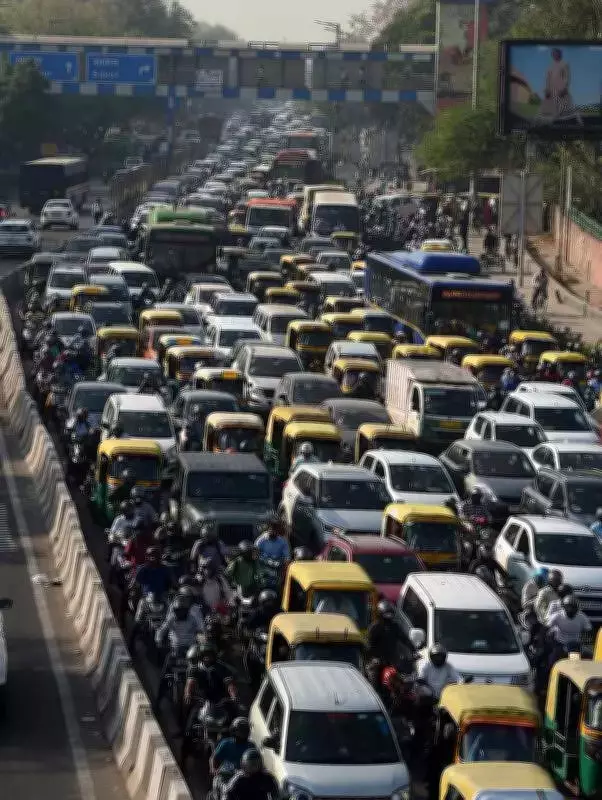
In a significant move to address the twin challenges of severe traffic congestion and deteriorating air quality, authorities in New Delhi have proposed a comprehensive, technology-driven action plan. The initiative centers on implementing an integrated traffic management system, which will leverage artificial intelligence, automated enforcement, and real-time analytics over a two-year period.
Phased Implementation Over Two Years
The ambitious project, currently in the proposal stage, has submitted a detailed project report to the Union Home Ministry. It is structured into three distinct phases designed for systematic rollout and maximum impact.
Phase One (12 Months): The initial stage will focus on commissioning five major traffic corridors. This includes the installation of 250 adaptive traffic signal junctions and establishing 271 enforcement points equipped with automatic number plate recognition (ANPR) cameras to issue automated challans.

Phase Two (18 Months): Building on the first phase, this stage will expand coverage to seven additional corridors. It involves deploying 222 more adaptive signal junctions and 236 new enforcement points, further extending the automated monitoring network.
Phase Three (Completion by End of Year Two): The final phase will see the largest expansion, integrating 30 additional corridors into the system. This will add 620 smart signal junctions and 522 enforcement locations, creating a city-wide intelligent traffic ecosystem.
AI and Automation at the Core
According to the official action plan document, Delhi Police has proposed an AI-enabled Intelligent Traffic Management System (ITMS). This system is founded on three pillars: advanced analytics, automated enforcement, and real-time traffic regulation.
"The system will utilize smart signals, integrated communications, and AI-based decision support to enhance efficiency, improve commuter experience, and create a scalable and future-ready traffic management ecosystem," the plan states.
Once fully operational, the integrated system is expected to transform the city's traffic dynamics substantially. Key benefits include:
- Commuters receiving real-time traffic updates via connected platforms.
- Traffic signals operating automatically based on live traffic volume and average vehicle speed data.
- A significant reduction in the need for human intervention in daily road management.
Addressing Congestion Hotspots
In a related effort, the traffic police had previously identified 62 critical congestion hotspots across the capital. For these locations, they outlined 215 specific remedial tasks. By the deadline of December 31, 2025, authorities reported completing 83 of these tasks.
However, 46 tasks were deemed unfeasible or were dropped from the agenda. This was primarily due to conflicts with ongoing large-scale infrastructure projects and area redevelopment work, which made implementation impractical at this time.
The proposed AI-driven traffic management system represents a forward-looking approach to urban mobility. By reducing stop-and-go traffic and optimizing flow, it aims not only to cut travel times but also to lower vehicle emissions—a key contributor to Delhi's air pollution crisis. The success of this phased technological rollout could set a benchmark for other Indian megacities grappling with similar environmental and congestion challenges.