

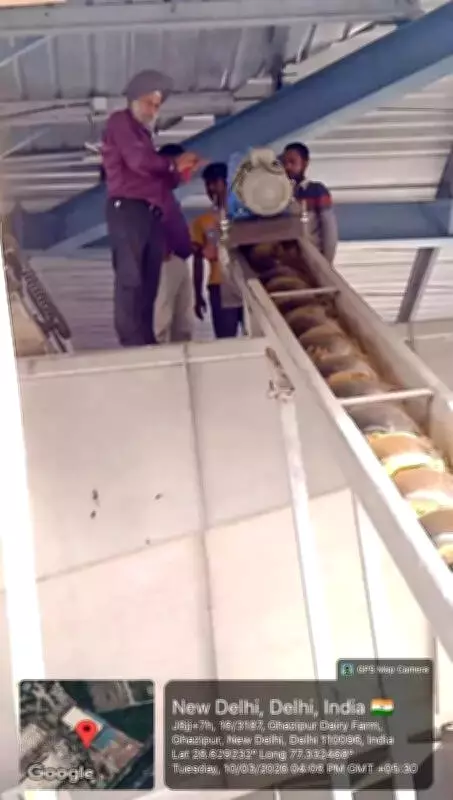
MCD Commissions Ghazipur Ingesta Plant to Transform Slaughterhouse Waste into Bio-Fertiliser
After nearly four years of planning and delays, the Municipal Corporation of Delhi (MCD) has successfully established and activated an ingesta plant at the Ghazipur slaughterhouse. This significant environmental initiative is specifically designed to enhance sanitation standards and ensure strict compliance with ecological regulations set by the National Green Tribunal (NGT).
Plant Operations and Environmental Impact
The newly operational facility is engineered to manage and process undigested animal waste and dung efficiently. Through advanced conversion technology, these materials are transformed into valuable bio-fertiliser. This process substantially reduces the volume of waste traditionally dispatched to landfill sites, thereby mitigating unhygienic conditions and alleviating long-standing environmental concerns.
"The plant will demonstrate a robust capacity to process approximately nine tonnes of waste per hour," confirmed an MCD official. "This capability marks a pivotal step forward in our waste management strategy."

Regulatory Compliance and Inspections
Prior to full-scale operation, the plant underwent rigorous scrutiny to ensure adherence to all regulatory standards. A specialised team from the Indian Institute of Technology (IIT) conducted a comprehensive inspection of the machinery, verifying the efficient functionality of all equipment. Additionally, agencies including the Delhi Pollution Control Committee (DPCC) performed site visits to confirm compliance with established environmental norms.
The MCD recently executed a successful trial run, with full operations anticipated to commence within the next month. This development follows the Ghazipur slaughterhouse's temporary closure in May 2022, when the DPCC withdrew its consent to operate due to NGT orders and environmental norm violations. The facility was permitted to reopen on July 6, 2022, contingent upon meeting specific compliance requirements within a fixed timeline, which included the installation of both ingesta and reverse osmosis (RO) plants.
Project History and Financial Details
The ingesta plant project encountered significant delays before receiving final approval and being expedited for completion. While the RO plant was installed earlier by a concessionaire under a public-private partnership (PPP) model, the ingesta plant remained pending for several years. "The MCD did not incur any costs for the RO or nano-filtration plant," the official clarified. "It was entirely funded by the lessee, who is also responsible for its ongoing maintenance. The system recycles treated water from the effluent treatment plant, ensuring a zero-discharge protocol."
After multiple attempts to identify a suitable agency, the MCD finalised an agreement in 2024. The project, with an estimated cost of around Rs 6 crore, required approval from the standing committee, which was granted in July 2025.
Ongoing Monitoring and Future Directions
The Ghazipur slaughterhouse primarily handles the slaughter of goats, sheep, and buffaloes to meet Delhi's domestic meat demand. The National Green Tribunal, which has been closely monitoring the situation, acknowledged during a hearing on October 30 that the MCD has initiated the installation process. The tribunal has directed the DPCC to submit a detailed compliance report to its registrar general by January 31, ensuring continuous oversight and accountability.
This initiative represents a critical advancement in urban waste management, aligning with broader goals of environmental sustainability and regulatory adherence in the national capital.






