

In a significant move to expedite a major infrastructure project, the Delhi government has decided to transfer the responsibility of constructing the proposed Munak Canal elevated road to the National Highways Authority of India (NHAI). This decision leverages NHAI's proven expertise in land acquisition and managing large-scale highway projects, aiming to ensure timely and efficient completion.
Project Details and Expected Impact
The ambitious project involves building a signal-free, elevated road stretching nearly 20 kilometers along the Munak Canal. This new corridor will connect Inderlok to Bawana in north-west Delhi. Upon completion, it is projected to slash travel time by up to 40% and significantly decongest some of the area's busiest traffic points, most notably Mukarba Chowk.
Funding, Roles, and Collaborative Framework
The Delhi government will provide the financial backing for the project, amounting to approximately Rs 4,700 crore. While the NHAI will take charge of the execution, the state's Public Works Department (PWD) will oversee funding arrangements, land clearance, and coordination with various local agencies. Officials estimate that construction will take about three years once the work is formally awarded.

PWD Minister Parvesh Verma highlighted the collaborative nature of the initiative. He stated that this project stands as a strong example of effective inter-agency coordination for development. By combining the strengths of the Delhi government, NHAI, and other stakeholders, the project aims to deliver large-scale urban infrastructure efficiently, which is crucial for building sustainable mobility and meeting the city's growing needs.
Next Steps and Background
A detailed project report (DPR) is currently in the works and is expected to be finalized within the next three months. The project also involves the maintenance of the Munak Canal itself. On this matter, Chief Minister Rekha Gupta had earlier indicated that the Delhi government planned to take up the canal's upkeep and had raised the issue with her Haryana counterpart, who agreed in principle.
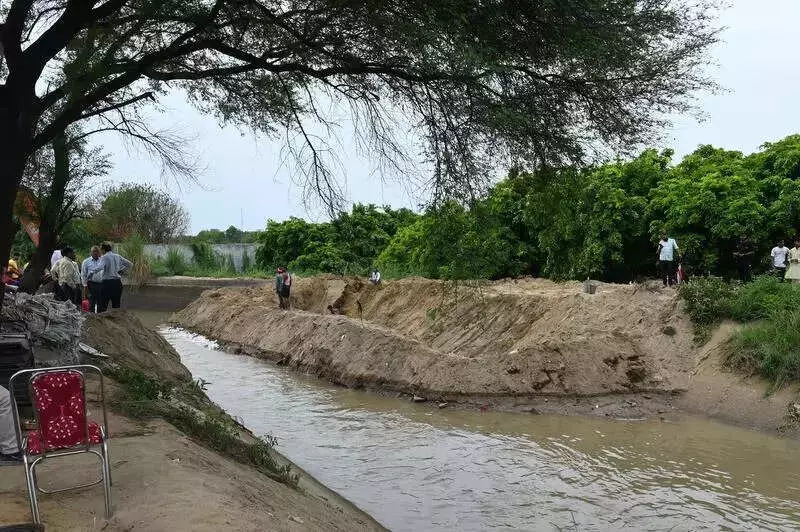
The Munak Canal is a vital water channel between Haryana and Delhi, designed to reduce water wastage from the Western Yamuna Canal and ensure a steady supply to the national capital. The innovative plan to use the existing canal-side infrastructure as the base for an elevated road represents a strategic effort to optimize land use while tackling chronic traffic issues in north-west Delhi.






