In a decisive move to tackle the capital's persistent air quality crisis, the Delhi government has unveiled a multi-pronged strategy focusing on public transport enhancement and stricter enforcement against polluting vehicles. The plan, which aims to significantly reduce the number of private cars on roads, was finalized during a high-level review meeting on Monday.
Push for Shared Electric Mobility with App-Based Aggregators
The government is set to initiate formal discussions with major app-based cab service providers like Ola and Uber. The agenda is to explore the feasibility of introducing pooled and shared electric or non-polluting buses across the Delhi-National Capital Region (NCR). According to a statement from the Chief Minister's Office, this proposal is designed with a dual objective: curtailing private vehicle usage and substantially strengthening the public transportation network available to citizens.
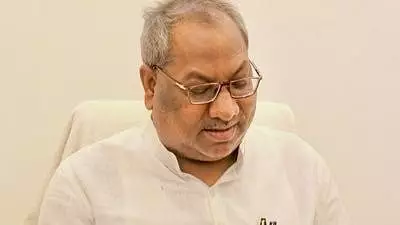
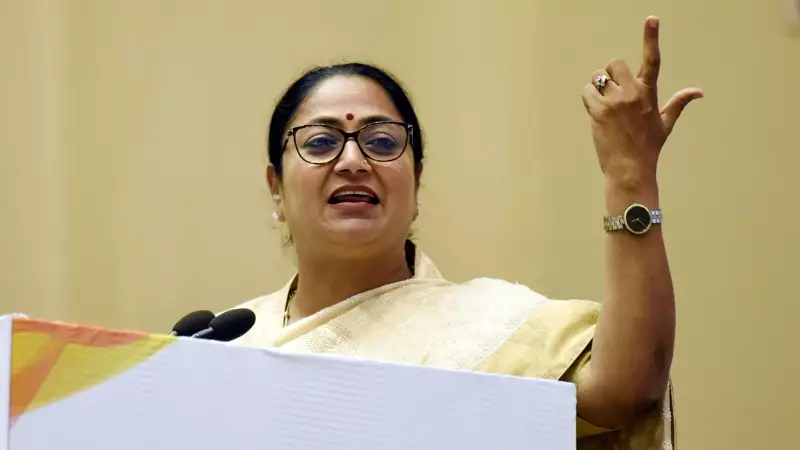
The review meeting, chaired by Chief Minister Rekha Gupta at the Delhi Secretariat, assessed the ongoing measures to control pollution. Officials from key departments including Environment, Transport, the Delhi Pollution Control Committee (DPCC), Public Works Department (PWD), and Delhi Traffic Police were present. Environment Minister Shri Manjinder Singh Sirsa also attended the crucial deliberations.

Zero Tolerance on Pollution Violations: No Waiver for Challans
In a significant shift towards stringent enforcement, Chief Minister Gupta issued a clear directive that challans issued to polluting vehicles will not be waived under any circumstances. This hardline stance targets vehicles found operating without a valid Pollution Under Control (PUC) certificate, which currently attracts a hefty penalty of Rs 10,000.
To ensure this policy is implemented effectively, the CM instructed concerned departments to examine all legal avenues. This includes the possibility of approaching courts to guarantee that penalties against pollution norm violators are upheld and not arbitrarily set aside.
Streamlining Public Transport and E-Rickshaw Operations
Beyond new initiatives, the government is also focusing on optimizing existing systems. A decision has been taken to rationalise Delhi Transport Corporation (DTC) bus routes to improve both coverage and operational efficiency. Emphasizing the need for comprehensive access, CM Gupta stated that DTC services must reach every neighbourhood in the city. The goal is to use scientific route planning to enhance last-mile connectivity, making public transport a more convenient and attractive alternative to private vehicles.
Furthermore, to address traffic congestion exacerbated by unregulated movement, the government announced that new guidelines for e-rickshaws will be issued soon. These guidelines are expected to define specific operational zones and routes for e-rickshaws. Officials believe that regulating their movement will improve overall traffic flow, reduce delays that lead to idling and higher emissions, and enhance road safety.
This comprehensive suite of measures, announced on December 23, 2025, represents a concerted effort by the Delhi government to tackle vehicular pollution at its root by discouraging private transport, cleaning the public transport fleet, and ensuring strict compliance with environmental laws.