

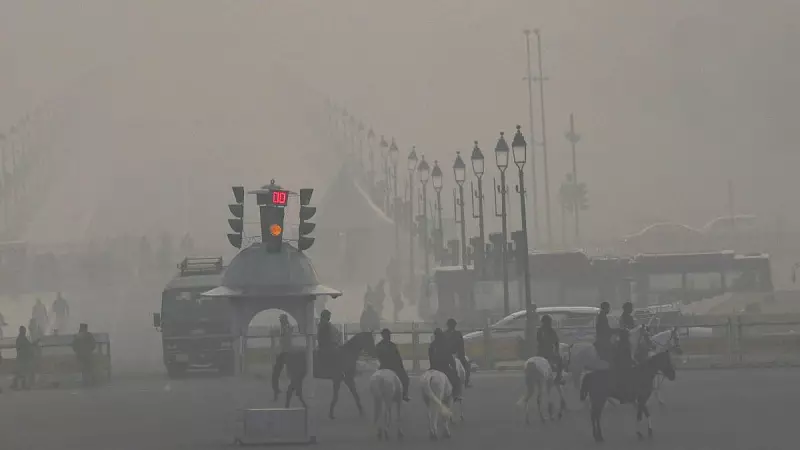
In a stringent move to combat the capital's hazardous air quality, the Delhi government has rolled out two major enforcement measures from today, 18 December 2025. The 'No PUC, No Fuel' policy and a ban on vehicles without BS-VI compliant engines in certain categories are now officially in force across the National Capital Region.
Massive Police Deployment for Enforcement
To ensure strict compliance, authorities have deployed a significant force on the ground. As per official reports, 580 police personnel have been assigned specifically for checking vehicles. This enforcement drive is being further bolstered by 37 enforcement vans stationed strategically at 126 checkpoints throughout Delhi. This large-scale deployment aims to create a visible deterrent and ensure the new rules are followed meticulously.
Understanding the New Pollution Control Rules
The twin-pronged strategy targets the major contributors to vehicular pollution. The 'No PUC, No Fuel' rule mandates that all vehicles must possess a valid Pollution Under Control (PUC) certificate to be eligible for refueling at any petrol pump in Delhi. Without this valid document, fuel will not be dispensed.

Simultaneously, the ban on vehicles without BS-VI engines comes into effect, primarily impacting commercial and older private vehicles that do not meet the latest Bharat Stage-VI emission norms. This step is expected to phase out highly polluting vehicles from the city's roads, especially during the winter months when pollution peaks.
Implications for Delhi's Air Quality and Residents
The implementation of these rules marks a critical phase in Delhi's annual fight against toxic air. Vehicular emissions are a significant source of particulate matter (PM2.5 and PM10) and nitrogen oxides. By restricting polluting vehicles and ensuring regular emission checks, the government aims to put a tangible dent in this pollution source.
Residents and commuters are advised to ensure their vehicles are BS-VI compliant if applicable and to carry a valid PUC certificate at all times to avoid fines and refueling hassles. The success of this drive hinges on consistent enforcement and public cooperation, as authorities work to bring down the alarming Air Quality Index (AQI) levels that have plagued the city.






