Delhi's Battle Against Air Pollution Faces Major Last-Mile Connectivity Hurdles
The Delhi government's ongoing efforts to strengthen public transportation and combat the capital's severe air pollution crisis are being significantly hampered by critical gaps in last-mile connectivity, according to the recently submitted Annual Action Plan 2026. The plan, presented to the Commission for Air Quality Management (CAQM), highlights that existing feeder services at Metro stations fall drastically short of assessed commuter demand, creating a major bottleneck in the city's pollution mitigation strategy.
Severe Shortage of Feeder Buses Exposed
One of the most pressing issues identified in the annual plan is the acute shortage of feeder buses required to support Delhi Metro ridership. The assessment reveals that while 480 feeder buses are necessary to adequately serve Metro commuters, only 100 are currently operational, leaving a massive shortfall of 380 vehicles. This deficiency directly impacts the effectiveness of the Metro system as a viable alternative to private vehicles, which are a key contributor to Delhi's persistent air quality problems.
Metro Station Connectivity Assessment
The Delhi Metro Rail Corporation (DMRC) conducted a comprehensive station-wise analysis covering all 193 operational Metro stations as of December 31, 2025. The assessment, included in the annual plan, determined that while 158 stations have access to at least one form of last-mile connectivity—including e-bikes, bike taxis, e-rickshaws, and e-autos—there remains an overall service gap of approximately 60% when measured against actual commuter demand.

Data from multiple sources has consistently shown that vehicular pollution continues to be a primary contributor to Delhi's air pollution crisis, making improved last-mile connectivity essential for reducing private vehicle usage.
Expansion Plans and Partnerships
To address these connectivity gaps, DMRC has established partnerships with ride-hailing platforms Uber and Rapido to provide on-demand last-mile services at several stations. Additionally, the annual plan outlines ambitious monthly expansion targets for 2026, including the projected induction of 850 e-rickshaws, 120 e-bikes, and 360 e-autos by December 31, 2026.
The need for reliable last-mile services is expected to intensify significantly as the Metro network expands. Once Phase IV of the metro expansion—which will add 112 kilometers to the network—is completed, daily ridership is projected to surge to 1.4 crore passengers, placing even greater pressure on existing connectivity infrastructure.
City Bus Fleet Deficiencies
The annual plan also underscores a substantial shortage in Delhi's city bus fleet, which forms a crucial component of the public transport system. Against a total assessed requirement of 11,000 buses, the existing fleet comprises only 3,377 electric buses and 1,868 CNG buses, leaving a gap of 5,755 vehicles.
While the government plans to add 2,468 buses by the end of 2026, in accordance with Ministry of Housing and Urban Affairs guidelines, and gradually phase out CNG buses, the plan acknowledges that the overall shortfall will persist. The document further notes that a monthly induction target of 983 buses for January 2026 was established but not met, indicating implementation challenges.
Broader Implications for Pollution Control
The connectivity and fleet deficiencies highlighted in the Annual Action Plan 2026 represent significant obstacles in Delhi's multi-pronged approach to improving air quality. Without robust last-mile options and adequate bus services, efforts to shift commuters from private vehicles to public transportation are likely to remain limited in effectiveness.
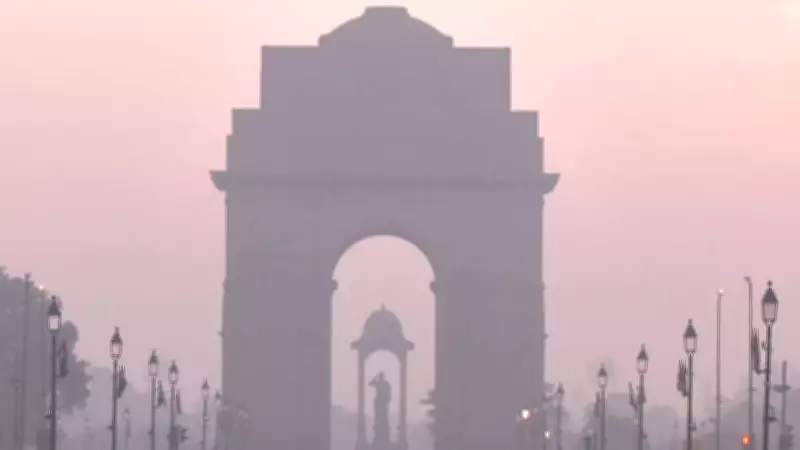
As Delhi continues to grapple with some of the world's worst air pollution, addressing these transportation infrastructure gaps will be critical for achieving sustainable improvements in the capital's environmental health and public wellbeing.