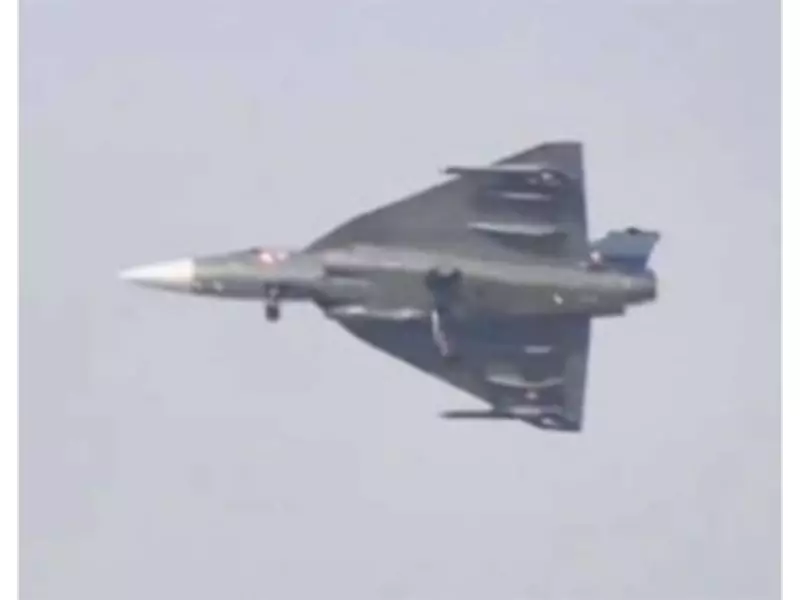
DRDO Invites Bids for Domestic Partnership in Next-Gen Aero Engine Project
In a major stride towards achieving self-reliance in defence technology, the Defence Research and Development Organisation (DRDO) has officially opened the bidding process for a domestic partner to collaborate on the development of a next-generation aero engine. This initiative underscores India's commitment to reducing dependency on foreign imports and fostering indigenous capabilities in critical aerospace sectors.
Strategic Move for Defence Self-Sufficiency
The DRDO's call for bids is part of a broader national strategy to enhance domestic production and innovation in defence. By seeking a local partner, the organisation aims to leverage India's growing expertise in engineering and manufacturing to create advanced aero engines that can power future military and civilian aircraft. This move is expected to boost the country's defence industrial base and create high-skilled jobs in the aerospace sector.
Key objectives of this partnership include:

- Developing cutting-edge aero engine technology within India.
- Reducing reliance on imported engines for defence applications.
- Promoting research and development in aerospace engineering.
- Strengthening India's position as a global player in defence manufacturing.
Implications for India's Aerospace Industry
This initiative is poised to have far-reaching impacts on India's aerospace industry. By fostering collaboration between DRDO and domestic firms, it encourages knowledge transfer and capacity building. The development of a next-generation aero engine could lead to advancements in various areas, including fuel efficiency, thrust capabilities, and durability, which are crucial for both defence and commercial aviation.
Experts believe that this project could catalyse innovation across the supply chain, from materials science to precision engineering. It aligns with the government's 'Make in India' and 'Atmanirbhar Bharat' (self-reliant India) campaigns, which prioritise domestic production in strategic sectors. Successful implementation may also open doors for export opportunities, as India seeks to become a net exporter of defence equipment.
Challenges and Opportunities Ahead
While the invitation for bids marks an exciting development, challenges such as technological complexity, high research costs, and the need for specialised expertise remain. However, DRDO's track record in developing indigenous defence systems, combined with the potential partner's capabilities, could mitigate these hurdles. The collaboration is expected to involve rigorous testing and certification processes to meet international standards.
In conclusion, DRDO's move to invite domestic bids for a next-gen aero engine represents a pivotal step in India's journey towards defence autonomy. It highlights the nation's ambition to not only meet its own needs but also contribute to global aerospace advancements. As the bidding process unfolds, stakeholders will be closely watching for outcomes that could redefine India's technological landscape.