

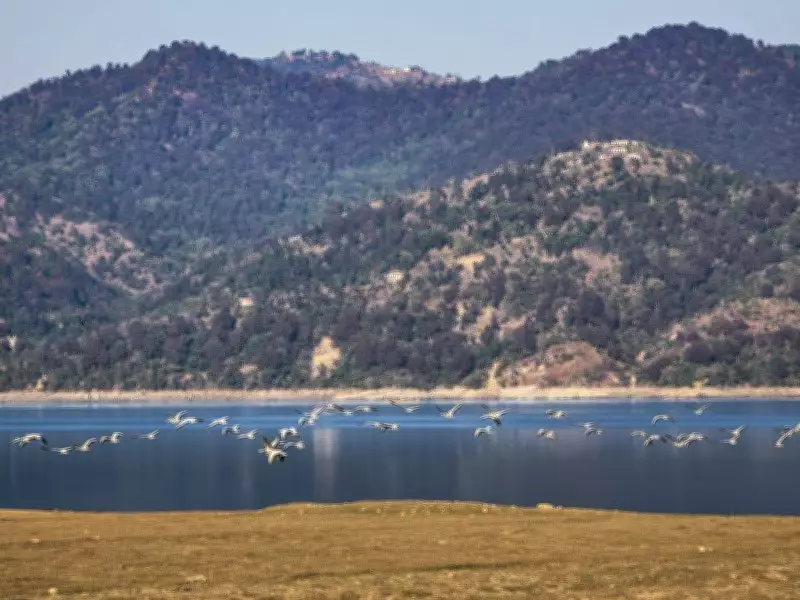
Understanding the Desilting of Bhakra's Gobind Sagar Reservoir
The Gobind Sagar reservoir, a vital component of the Bhakra Dam complex in Himachal Pradesh, is currently undergoing a critical desilting operation. This process is essential to address the accumulation of silt, which poses significant challenges to water storage capacity and hydroelectric power generation in North India.
The Impact of Siltation on Water Resources
Siltation occurs when sediments like sand, clay, and silt are carried by rivers and deposited in reservoirs over time. At Gobind Sagar, this natural phenomenon has led to a substantial reduction in the reservoir's storage capacity. Experts estimate that silt accumulation has decreased the live storage by approximately 20% since the dam's commissioning in 1963. This decline directly affects water availability for irrigation, drinking, and industrial use across states like Punjab, Haryana, and Rajasthan.
The desilting operation involves mechanical dredging and other techniques to remove accumulated sediments from the reservoir bed. By doing so, authorities aim to restore the original storage capacity, which is crucial for managing water resources during dry seasons and monsoon floods. The process also helps in maintaining the structural integrity of the dam by reducing pressure on its foundations.

Challenges and Technological Innovations in Desilting
Desilting Gobind Sagar is not without its challenges. The operation requires significant financial investment, with costs running into crores of rupees, and poses environmental concerns, such as disrupting aquatic ecosystems and affecting downstream water quality. Additionally, logistical issues arise due to the reservoir's large size and remote location.
To overcome these hurdles, authorities are employing advanced technologies, including GPS-guided dredgers and silt management systems. These innovations enhance the efficiency of sediment removal while minimizing ecological damage. The desilted material is often repurposed for construction activities or land reclamation, adding an element of sustainability to the process.
Broader Implications for Water and Energy Security
The success of the desilting operation at Gobind Sagar has far-reaching implications for North India's water and energy security. By improving storage capacity, it ensures a more reliable water supply for agriculture, which is the backbone of the region's economy. Moreover, maintaining optimal water levels is vital for the Bhakra Dam's power generation, which contributes significantly to the national grid.
This initiative underscores the importance of proactive reservoir management in the face of climate change and increasing water demands. It serves as a model for other dams across India grappling with similar siltation issues, highlighting the need for regular maintenance and innovative solutions to preserve critical infrastructure.
In summary, the desilting of Gobind Sagar is a crucial step towards safeguarding water resources and enhancing hydroelectric efficiency in North India, with ongoing efforts focused on balancing technological advancements with environmental stewardship.

